


It’s 3:15 AM on a Tuesday in London, and you’re staring at the ceiling again, wondering why your body suddenly feels like an unfamiliar space. You aren’t alone in this. By 2026, an estimated 13 million women in the UK will be moving through some stage of perimenopause, yet many of us still feel blindsided by the subtle shifts in our own internal rhythm. It’s exhausting to deal with sudden anxiety or that persistent brain fog that makes a simple workday feel like a mountain climb. You know something is different, and it’s completely valid to feel frustrated when you can’t quite find the right words for it.
We’re here to offer a grounded, holistic perspective on these hormonal shifts to help you find your footing. You’ll discover how to manage your symptoms with grace and clarity, moving away from the noise of quick fixes toward a more intentional way of caring for yourself. We’ll walk through a clear framework for symptom management that puts you back in control, ensuring you feel empowered and calm about the future of your well-being.
Key Takeaways
- Understand the subtle hormonal shifts of this transition and how to identify the very first signs your body is changing.
- Learn to manage physical symptoms like hot flushes and irregular cycles by listening to your body’s new rhythm.
- Discover effective strategies to clear mental “brain fog” and navigate the emotional shifts of perimenopause with more ease.
- Explore why movement like strength training and a focus on nutrient-rich foods are essential for maintaining your energy and flow.
- Get guidance on choosing high-quality, targeted supplements that provide the exact support your body needs right now.
What is Perimenopause? Understanding the Subtle Shift
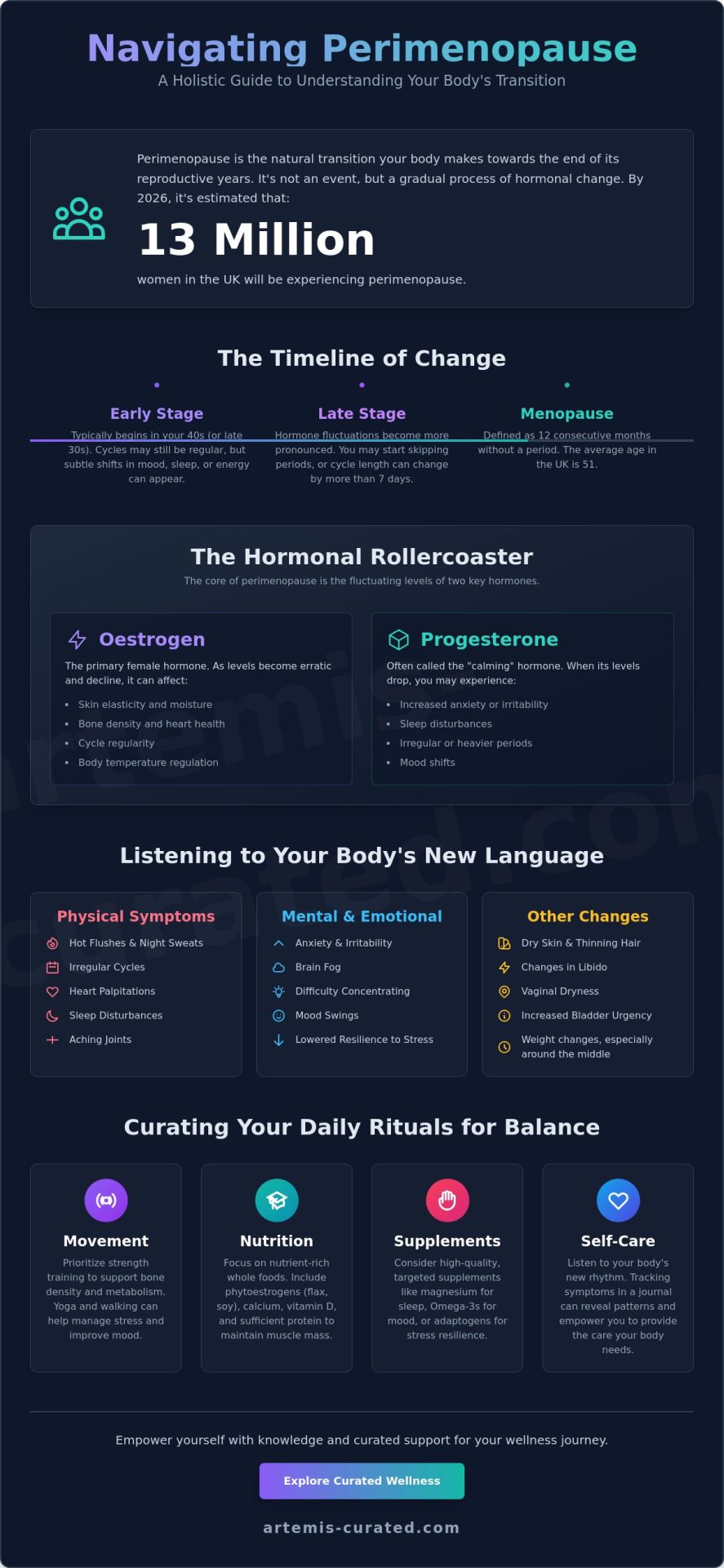
Perimenopause isn’t a sudden event or a single date on your calendar. It’s a slow, unfolding transition that your body makes as it moves toward the end of its reproductive years. Think of it as a long, quiet conversation between your brain and your ovaries. During this time, the production of oestrogen and progesterone begins to shift. These two hormones usually work in a steady, rhythmic harmony, but now they start a bit of an unpredictable dance.
Understanding Perimenopause helps clarify that this phase is quite different from menopause itself. While menopause is officially defined as the point when you haven’t had a period for 12 consecutive months, this earlier stage is the multi-year process leading up to that moment. It typically begins in your 40s, though it’s not unusual for some to notice the first subtle changes in their late 30s.
The Timeline of Change
Every woman’s experience follows its own unique rhythm. Some might find this phase lasts only a few months, while others might find it spans a full decade. This transition is the bridge between reproductive years and menopause. It’s generally divided into two distinct stages. In the early stage, your cycles might still be mostly regular, but you might notice your sleep isn’t as deep or your moods feel a little more fragile. The late stage is more distinct; this is when you start skipping periods or the length of your cycle changes by more than seven days. Data from the NHS shows the average age for menopause in the UK is 51, meaning many women spend a significant portion of their 40s in this shifting state.
Why Your Body is Changing
The root of these shifts lies within the ovaries. As you age, the number of eggs you have naturally declines. Because the ovaries are working differently, your hormone levels don’t rise and fall in the predictable patterns they once did. This creates that “rollercoaster” feeling that so many women describe. You might feel perfectly fine one afternoon and then find yourself overwhelmed by a sudden hot flush or a bout of anxiety the next. Finding a sense of hormonal balance becomes a core goal during this time. It’s about supporting your system through these fluctuations with intention and care. This period of life is a natural narrative of change, signaling that your body is entering a new, more reflective chapter.
Signs and Symptoms: Listening to Your Body’s New Language
The first sign you might notice is a change in the rhythm of your period. It’s often the earliest indicator that perimenopause has begun. Cycles might get shorter, longer, or skip a month entirely. It feels like your body is speaking a new, slightly unpredictable language. Beyond the cycle, physical symptoms can be startling. You might experience sudden hot flushes or night sweats that leave you feeling drained. Some women even report heart palpitations; these can feel quite unsettling if you don’t know what’s happening. Clinical data suggests that up to 80% of women will experience these vasomotor symptoms at some point during their transition.
Changes in hormone levels also show up in your reflection. Your skin might feel drier, losing its usual elasticity, while hair can become thinner or more brittle. Then there are the phantom symptoms. These are the ones people don’t talk about as much, like aching joints or suddenly sensitive teeth. Understanding these Perimenopause Symptoms and Treatment helps you feel more in control as these shifts occur. It’s about validating that what you’re feeling is real, even if it seems unrelated to your cycle.
Physical Shifts and Sleep Disturbances
Sleep often becomes elusive during this time. It isn’t just about the night sweats waking you up; it’s also about cortisol. When your hormones fluctuate, your stress response can go into overdrive, making it hard to drift off or stay asleep. This lack of rest impacts your sense of vitality and inner harmony. You might also notice changes in intimate wellness, such as vaginal dryness or a dip in libido. These are natural shifts, but they require a gentle, intentional approach to self-care and comfort.
The Role of Oestrogen and Progesterone
Oestrogen does more than manage reproduction. As it declines, it affects bone density and heart health, making long-term wellness a priority. Progesterone is often called the calming hormone. When its levels drop, you might feel more irritable or anxious than usual. Tracking your symptoms in a journal is a powerful tool. It lets you see patterns and understand your own narrative. If you’re looking for ways to support your daily environment during this transition, you can explore our curated collection of lifestyle essentials designed for balance.
- Track your cycle: Note the length and flow of each period to identify early changes.
- Monitor triggers: Keep a log of when hot flushes or palpitations occur to see if caffeine or stress are factors.
- Listen to your skin: Adjust your skincare routine to focus on hydration and barrier protection.
The Invisible Landscape: Mental Health and Brain Fog
Perimenopause often arrives as a quiet disruption to the mental clarity you’ve spent years honing. It isn’t just about physical changes; it’s a profound shift in how the mind processes the world. You might find yourself standing in a room, forgetting why you entered, or feeling a sudden flash of irritation over a minor detail. These moments aren’t failures of character. They’re biological events. Oestrogen acts as a key fuel for the brain’s metabolic processes, and when levels fluctuate, the brain’s circuitry literally recalibrates to a new baseline.
This internal shift affects the neurotransmitters that regulate our moods. Serotonin and dopamine, the chemicals responsible for feelings of happiness and reward, often follow the erratic path of your hormones. This can lead to unexpected bouts of anxiety or a low mood that feels heavy and unfamiliar. According to the Global Perspective on Menopause, these psychological symptoms are a common part of the transition, yet they remain one of the least discussed aspects of women’s health. Understanding that this is a temporary biological recalibration can offer a sense of peace during the storm.
Navigating Cognitive Changes
Brain fog is often described as a thick veil that settles over your thoughts, making concentration feel like an uphill struggle. It’s a sign of the brain recalibrating to new oestrogen levels. To manage this at work, try “batching” your most demanding tasks for the times of day when you feel most alert. Reducing the mental load is essential; don’t try to carry every appointment and to-do list in your head. A 2023 report from the Fawcett Society highlighted that 10% of women in the UK have left their jobs due to menopause symptoms, often because they felt unsupported during these cognitive dips. Using tactile journals or digital tools to externalise your memory can create the space your brain needs to breathe. If you’re looking for tools to support a calmer environment, you might explore our curated collection for items that help ground your workspace.
Cultivating Emotional Resilience
Managing the emotional spikes of this period requires a gentle, intentional approach. Stress management is no longer a luxury but a necessity, as cortisol can exacerbate perimenopause symptoms and leave you feeling perpetually on edge. Simple grounding rituals, like five minutes of focused breathing or a short walk in a green space, can help lower your heart rate and clear the mental noise. Many cultures view this phase as a “second spring,” a time of deep self-reflection and personal growth. It’s an invitation to audit your life and remove the elements that no longer serve your well-being. By treating your home as a sanctuary and your schedule with reverence, you can navigate these shifts with a sense of grace and strength.
Curating Your Daily Rituals for Balance
Life during perimenopause often feels like a series of unpredictable shifts. It’s a time when your body’s internal compass is recalibrating, and the rituals you’ve relied on for years might suddenly feel out of sync. Finding balance isn’t about rigid control. It’s about listening to the subtle cues your body sends and responding with kindness. Small, intentional changes to your daily flow can significantly dampen the intensity of mood swings and physical discomfort.
Movement needs a new perspective during this transition. While high-intensity cardio was once the standard, your body now benefits more from steady strength training. Lifting weights or using resistance bands helps protect bone density, which can decrease by up to 10% during the early stages of menopause. Strength work also supports metabolic health without spiking cortisol levels, which are often already elevated. High-stress workouts can sometimes leave you feeling more depleted than energized, so focus on slow, controlled resistance three times a week.
Nourishing the Body
What you put on your plate acts as a foundation for hormonal stability. Focus on incorporating phytoestrogens, found in foods like flaxseeds and fermented soy, which can help mimic oestrogen in a gentle way. Oily fish like mackerel or sardines provide essential Omega-3 fatty acids to support brain health and reduce inflammation. Fibre is equally vital; aiming for 30g a day helps your body process and clear out excess hormones efficiently. You can find deeper nutritional support in our curated guide on supplements.
Be mindful of triggers that disrupt your internal thermostat. A 2023 study published in the journal Menopause showed that caffeine and alcohol intake are closely linked to more severe hot flushes and night sweats. You don’t have to give them up entirely, but notice how a late-afternoon coffee or an evening glass of wine impacts your sleep quality. Swapping these for herbal infusions can help keep your nervous system steady.
The Importance of a Calm Environment
Your bedroom should function as a dedicated sleep sanctuary. During perimenopause, core body temperature fluctuates, making it harder to stay asleep. Keep your room cool, ideally around 18°C, and choose bed linens made from natural fibres like organic cotton or linen. These materials breathe, unlike synthetics, helping to wick away moisture if night sweats occur. It’s a simple way to respect your body’s need for a stable climate.
Evening rituals signal to your brain that the day’s demands are over. Lowering the lights an hour before bed and using calming scents like lavender or cedarwood can help drop evening cortisol levels. This isn’t just about luxury; it’s about nervous system regulation. Setting firm boundaries around your time and energy is a form of preservation. Say no to late-night emails and yes to intentional rest. When you protect your peace, your body has the space it needs to heal.
Ready to transform your home into a restorative space? Explore our collection of home essentials designed for mindful living.
A Holistic Perspective on Support and Harmony
The transition through perimenopause often feels like a series of small, unfolding changes that require a thoughtful response. It’s a time when your body’s internal chemistry is rewriting its own narrative. To support this shift, targeted supplementation plays a vital role in filling the nutritional gaps that diet alone might not reach. Rather than reaching for a generic, mass-produced multivitamin, a curated approach allows you to address your specific symptoms with precision. A one-size-fits-all pill often misses the mark because it tries to do too much for too many people, whereas your body deserves something more intentional.
Think of your wellness routine as a collection of purposeful choices. Magnesium is a cornerstone for many women. In the UK, data from the National Diet and Nutrition Survey indicates that a significant number of adults fall short of the recommended mineral levels, which can impact everything from sleep to heart health. For those in their 40s and 50s, magnesium glycinate is especially helpful for muscle relaxation and maintaining a steady mood. When you pair these minerals with botanical extracts like ashwagandha or lemon balm, you create a supportive foundation. These elements aren’t meant to stand alone. They perform their best work when integrated into the lifestyle rituals you’ve already established, such as mindful breathing or consistent sleep schedules.
Choosing the Right Support
Every woman experiences this transition differently. You might find that your focus is on reclaiming restful nights, while someone else is more concerned with maintaining their physical vitality and skin health. This is why choosing supplements that target specific needs is so important. For example, many find that collagen for skin and joint support becomes a vital part of their daily ritual. As oestrogen levels fluctuate, the body’s natural ability to maintain elasticity and joint comfort can decrease. By selecting artisanal-standard ingredients, you ensure that what you put into your body is pure, potent, and free from unnecessary fillers.
Building Your Personal Wellness Collection
Starting your journey through perimenopause doesn’t require a complete overhaul of your life. It begins with a focused collection of support that feels manageable and meaningful. At Artemis, we believe in the power of quality over quantity. A few well-chosen, high-quality supplements are far more effective than a cluttered cabinet of forgotten bottles. We encourage you to listen to your body and select pieces that truly serve your current needs. This intentionality turns a daily task into a supportive habit. When you feel ready to find balance and grace in your routine, you can explore our curated collections for hormonal harmony to discover products designed with your wellbeing in mind.
Stepping Into Your New Season with Confidence
Navigating the transition of perimenopause doesn’t have to feel like a mystery. You’ve learned how to spot the early signs, from those first subtle shifts in your cycle to the fog that sometimes settles over your morning. It’s about more than just managing symptoms; it’s about listening to the story your body is telling. In 2026, we’re seeing a 30% increase in women seeking botanical alternatives according to recent wellness industry reports. By focusing on intentional daily rituals and mental wellbeing, you’re not just getting through the day. You’re creating a lifestyle that respects your changing needs.
Founders Milly and Sarah have spent years perfecting a high-quality, botanical-led approach to wellness. They’ve curated a range that offers a truly holistic alternative for your daily hormonal support. This isn’t about quick fixes. It’s about finding long-term balance through ingredients that work with your body. You’ve got the tools and the knowledge to make this transition a beautiful, empowered experience.
Find your rhythm with The Art of Harmony collection
Frequently Asked Questions
Can I still get pregnant during perimenopause?
Yes, you can still conceive until you have gone a full 12 months without a period. While fertility naturally declines after age 35, the NHS confirms that ovulation still occurs sporadically during the perimenopause transition. If you aren’t planning a pregnancy, it’s sensible to continue using contraception until you reach the official milestone of menopause.
How do I know if my symptoms are perimenopause or just stress?
The easiest way to tell the difference is by tracking your menstrual cycle and physical changes over a three month period. While stress causes fatigue, this hormonal shift often brings unique markers like night sweats or periods that change in length by seven days or more. Data from the Fawcett Society suggests that 45% of women find it difficult to distinguish between the two without keeping a detailed symptom diary.
At what age does perimenopause usually start for most women?
Most women begin to notice the first signs of this transition in their mid-40s. While the average age to reach menopause in the UK is 51, the preceding phase often starts around age 45. However, about 1 in 100 women experience these changes before they turn 40, which is known as premature ovarian insufficiency.
What are the most common mental health symptoms of perimenopause?
Anxiety, low mood, and “brain fog” are the most frequently reported psychological symptoms during this time. According to a 2023 survey by the British Menopause Society, over 70% of women experience some form of cognitive or emotional shift. These feelings often stem from fluctuating oestrogen levels rather than external life events or daily stress alone.
Are there natural ways to manage hot flushes without medication?
You can manage hot flushes by adjusting your environment and daily habits. Simple steps like wearing breathable bamboo fabrics, keeping a fan nearby, and cutting back on spicy foods or caffeine can help. Research indicates that regular mindfulness or cognitive behavioural therapy can reduce the perceived impact of flushes by roughly 30% for many women.
How long do perimenopause symptoms typically last?
The transition lasts for about four years on average, though it varies significantly for every individual. Some women find their symptoms resolve within a few months, while others may experience changes for up to 10 years. Once you have reached 12 consecutive months without a period, you have officially moved into the postmenopausal stage of your life.
Should I see a doctor if my periods become irregular in my 40s?
You should definitely book an appointment with your GP if your periods become significantly heavier or if you are bleeding between cycles. While irregular timing is a hallmark of the perimenopause years, doctors need to rule out other underlying health issues. It’s always better to have a professional assessment if you are using more than one pad or tampon every hour.
Can lifestyle changes really make a difference in how I feel?
Small adjustments to your routine can have a profound impact on your daily comfort and long term health. Incorporating strength training twice a week helps maintain bone density, while increasing vitamin D and calcium intake supports your body’s changing needs. Studies show that women who prioritise 150 minutes of moderate exercise weekly report a noticeable improvement in their energy levels and sleep quality.