

What if we viewed our hormonal shifts not as a decline to be feared, but as the deliberate unfolding of a more nuanced, storied self? You’ve likely noticed the quiet changes in your inner landscape; the unexpected haze of brain fog or a lingering fatigue that feels out of place in your life. It’s a common narrative, as the British Menopause Society reports that 80% of women experience symptoms that alter their sense of physical and emotional vibrancy. At the heart of this transition is oestrogen, a hormone that functions less like a simple chemical and more like the master architect of female vitality. It crafts the foundations of our wellbeing, influencing everything from the rhythm of our hearts to the enduring strength of our bones.
We understand that the path toward hormonal harmony often feels obscured by conflicting advice and clinical jargon. You deserve a clear, intentional map to navigate this change with the same discernment you apply to your home and your art. This article explores the profound role of oestrogen in your long-term health, offering clarity on how to protect your heart and bone density through the years. We’ll examine the distinction between clinical interventions and natural rhythms, providing a curated perspective on supplementation to help you reclaim a sense of soulful balance and physical grace.
Key Takeaways
-
Understand how oestrogen acts as the primary architect of female vitality, guiding your body’s unfolding narrative from puberty through to the post-menopausal years.
-
Learn to recognise the hallmark signs of shifting hormones and how to navigate the fluctuating tides of the perimenopausal transition with quiet authority.
-
Discover the vital role of hormonal balance in protecting your skeletal integrity and cardiovascular health, preserving your foundation for the long term.
-
Explore how to curate a lifestyle that serves as a sanctuary for your wellbeing, incorporating nature’s subtle mimics to support your natural rhythm.
-
Gain insight into a holistic path that uses gentle botanical extracts to bridge hormonal transitions and honour your body’s inherent wisdom.
Table of Contents
The Architect of Vitality: Understanding Oestrogen’s Essential Role
To truly grasp What is oestrogen is to acknowledge the silent conductor of the female form. It isn’t a singular force but a group of steroid hormones that function as the body’s primary chemical messengers. Since its discovery in 1923 by researchers Edgar Allen and Edward Doisy, our understanding of this hormone has shifted from a simple reproductive tool to a complex architect of systemic health. It shapes the unfolding narrative of a woman’s life, guiding the body through the visceral changes of puberty and the eventual stillness of the post-menopausal years. It’s a foundational element of our internal landscape, providing the structural integrity required for a life lived with intention.
The Three Forms of Oestrogen
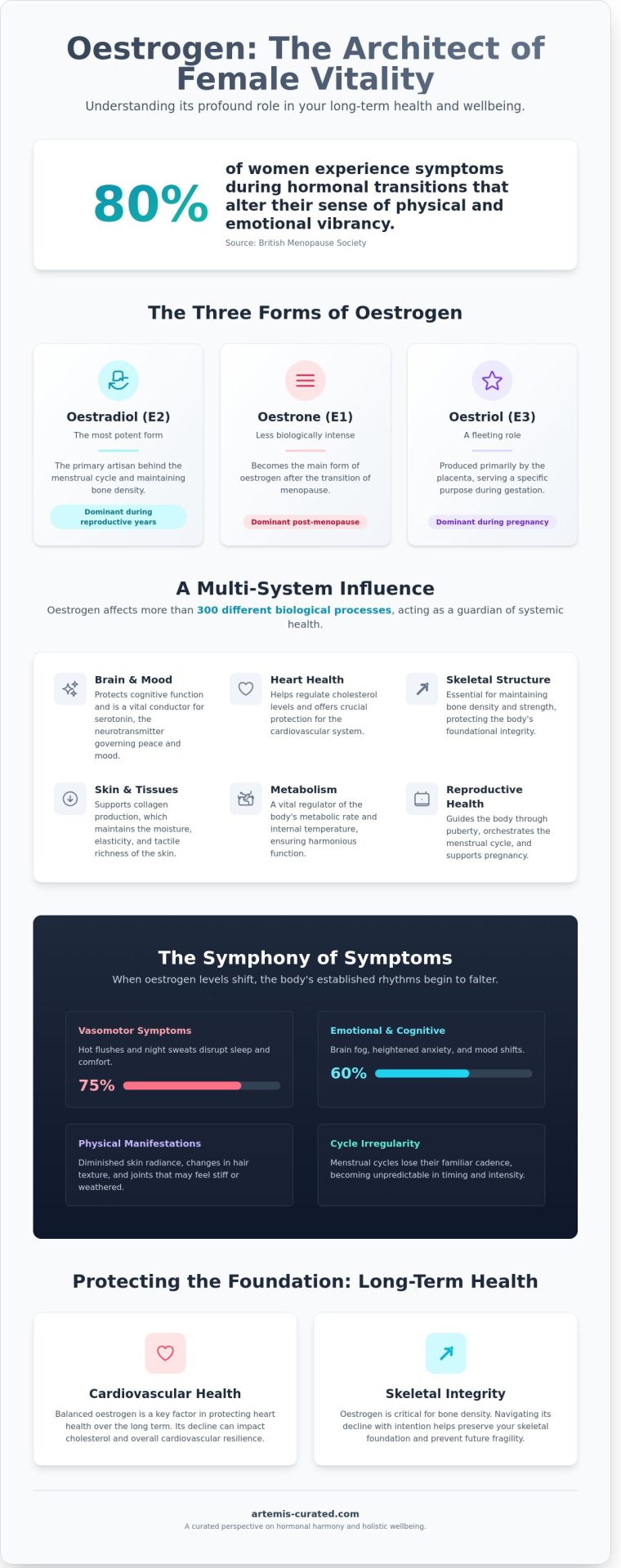
The hormone manifests in three distinct expressions, each with its own provenance and purpose. Oestradiol (E2) remains the most potent and prevalent form during the reproductive years. It’s the primary artisan behind the menstrual cycle and the maintenance of bone density. Following the transition of menopause, Oestrone (E1) becomes the dominant form, though it possesses less biological intensity. Finally, Oestriol (E3) serves a specific, fleeting role during pregnancy, produced primarily by the placenta. Each form contributes to a curated balance that sustains the body’s vitality across different eras, ensuring the biological story remains cohesive and strong.
A Multi-System Influence
Oestrogen’s influence extends far beyond the reproductive system. Receptors for this hormone are woven into the very fabric of our biology, found in the brain, the heart, and the skeletal structure. It acts as a guardian of the body’s tactile integrity, maintaining the moisture and elasticity of tissues by supporting collagen production. Beyond aesthetics, it’s a vital regulator of metabolic rate and internal temperature. Clinical data indicates that oestrogen affects more than 300 different biological processes, including the protection of cognitive function and the regulation of cholesterol. It ensures that the body functions not as a collection of parts, but as a harmonious sanctuary. When levels are balanced, the rhythm of health feels effortless, reflecting a profound respect for the body’s natural craftsmanship. Yet oestrogen does not act alone; testosterone in women plays an equally vital role in sustaining energy, muscle tone, and cognitive drive across the hormonal landscape.
The Symphony of Symptoms: When Oestrogen Levels Shift
The transition into perimenopause is rarely a linear descent; it’s a fluctuating tide that reshapes the internal landscape. As oestrogen levels change, the body’s established rhythms begin to falter. This period is defined by unpredictability. Menstrual cycles lose their familiar cadence, sometimes arriving with intensity and other times vanishing like a fading echo. It’s a biological recalibration that demands a patient, observant eye.
The sensory impact is often the most visceral. Hot flushes and night sweats disrupt the sanctuary of sleep, leaving one feeling unanchored. This hormonal retreat also leaves a visible patina on the self. The skin’s radiance, once a constant, begins to dim as collagen production slows. Hair may lose its tactile richness and volume, a subtle shift in the physical narrative that reflects the deeper changes within. Statistics from the British Menopause Society suggest that 75% of women experience these vasomotor symptoms, highlighting the universality of this shift.
The Emotional Landscape
Oestrogen serves as a vital conductor for serotonin, the neurotransmitter that governs our sense of peace. When oestrogen levels fluctuate, the emotional foundation can feel precarious. A sense of fragility or heightened anxiety often emerges without warning. Brain fog is a legitimate biological event, not a personal failing. It represents a temporary disruption in cognitive processing as the brain adapts to a new hormonal reality, affecting approximately 60% of women according to recent clinical studies.
Physical Manifestations and Comfort
The decline of this hormone affects the very architecture of the body. Joints may lose their fluid ease, feeling weathered and stiff upon waking. Muscle recovery takes longer, requiring more intentional rest. Intimate health requires a sensitive, authoritative approach during this time. Atrophy is the thinning of tissues due to reduced hormonal support. Navigating these changes requires a curated approach to wellness that values the body’s history while supporting its future. This is not a loss of self, but an unfolding into a different, perhaps more contemplative, season of life.
Protecting the Foundation: Oestrogen and Long-Term Health
To view the body as a sanctuary is to understand the invisible architecture that sustains its grace. Oestrogen acts as a primary guardian; it’s a silent curator of our internal structure. It preserves the density of our bones and the elasticity of our vessels with the same meticulous care an artisan applies to a timeless piece of furniture. As we transition into the post-menopausal years, this hormonal protection shifts. It requires us to adopt a more intentional, curated approach to our physical well-being. This period isn’t a decline. It’s an unfolding of a new narrative that demands structural support to maintain its integrity.
Skeletal Strength and Osteoporosis
Within the marrow, a delicate dance occurs between cells that build and those that dissolve. Oestrogen’s role in the body is to maintain this equilibrium, ensuring that bone formation keeps pace with resorption. According to the Royal Osteoporosis Society, 1 in 2 women over the age of 50 will break a bone due to osteoporosis. When levels decline, the breakdown accelerates. The architecture becomes porous, losing its historic strength. We counter this through a curated ritual of weight-bearing movement and bone-nourishing minerals, treating our skeletal frame with the reverence it deserves. It’s about building a foundation that lasts.
Heart Health and Metabolism
The heart requires a fluid environment to thrive. The hormone supports the production of nitric oxide, which allows blood vessels to remain supple and responsive. Before the age of 50, women typically face lower cardiovascular risks than men, but this gap narrows as hormonal levels subside. Research indicates total cholesterol often rises by 10% during the menopausal transition. This shift invites a mindful eye on our internal landscape. The hormone enhances the body’s response to insulin, ensuring cells efficiently convert glucose into the energy needed for a life of purpose. Beyond the physical, this protection extends to the nervous system, supporting cognitive longevity and preserving the clarity of our thoughts as they age into a rich patina of wisdom.
The Art of Balance: Supporting Your Body Naturally
True hormonal health isn’t a destination; it’s a curated atmosphere you cultivate within your own skin. Your body requires a sanctuary where oestrogen can flourish or recede with grace, following a rhythm dictated by the quiet, intentional choices of your daily life. The liver acts as the master artisan in this process. It meticulously metabolises and clears hormones to prevent the stagnation that leads to systemic imbalance. When chronic stress enters your narrative, the body often prioritises cortisol production over hormonal harmony. This ‘cortisol steal’ diverts the very precursors needed for your reproductive harmony, leaving your endocrine system depleted. Protecting these pathways is a soulful act of self-preservation.
Nutritional Intentionality
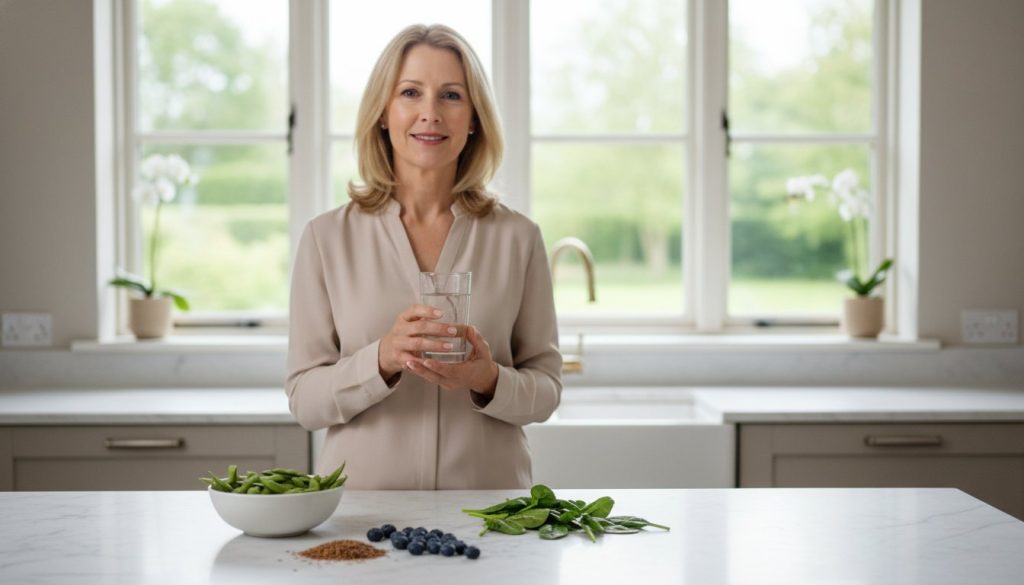
Every meal provides the raw materials for your endocrine narrative. Phytoestrogens, such as the isoflavones found in fermented soy, act as gentle mimics that support your body’s natural levels without overwhelming the system. Flaxseeds are particularly potent; they contain roughly 800 times more lignans than most other plant foods, offering a tactile way to balance oestrogen levels through fibre and chemistry.
-
Cruciferous Support: Vegetables like broccoli and kale contain indole-3-carbinol. A 2021 study published in Nutrients suggests these compounds help the liver favour safer metabolic pathways for hormone clearance.
-
High-Quality Fats: Avocados, walnuts, and cold-pressed olive oil provide the essential lipid backbone required for steroid hormone production.
-
Fermented Foods: Organic tempeh and miso support the ‘oestrobolome’, the specific gut bacteria responsible for recycling hormones.
Lifestyle as a Ritual
The ‘Art of Sleep’ is a vital restorative ritual for hormonal regulation. Deep rest allows the endocrine system to recalibrate after the day’s demands; it’s the time when your internal landscape is refined. Movement should be equally purposeful. Weight-bearing exercise, such as walking or resistance training, serves as a physical investment in your structural longevity.
Data from the Royal Osteoporosis Society indicates that 1 in 2 women over the age of 50 in the UK will experience a bone fracture. Engaging in tactile, weight-bearing movement is a proven way to maintain the bone density that oestrogen naturally protects. Finally, consider the provenance of your household items. Reducing exposure to endocrine-disrupting chemicals found in mass-produced plastics and synthetic fragrances helps maintain your home as a true sanctuary. It’s about selecting objects and habits with a soulful eye for quality and long-term wellbeing.
Discover how to cultivate a more intentional space for your wellbeing by exploring our curated collection for the home sanctuary.
A Curated Path: Holistic Support for the Menopausal Journey
Artemis Curated views the body as a living sanctuary, a space where history and biology intertwine. When the production of oestrogen begins its natural decline, it isn’t a signal of depletion, but a call for a more intentional narrative. We believe in supporting the body’s inherent wisdom through botanical bridges. These extracts don’t override your system. They offer a refined dialogue between nature and your internal landscape, ensuring the transition feels like an unfolding rather than a disruption. It’s about moving away from mass-produced solutions toward a philosophy of collecting rituals with purpose.
The Art of Harmony: Menopause Support
‘The Art of Harmony’ is our signature response to this significant shift. We’ve selected Red Clover and Sage for their ability to mirror the body’s needs. These ingredients address the physical heat of a flush and the quiet weight of emotional anxiety with equal grace. Recent figures from the British Menopause Society indicate that 75% of women experience symptoms that impact daily life; this blend seeks to reduce that burden through artisanal quality. It’s a choice for the woman who values the hand of the maker in her wellness rituals, seeking a product that possesses a distinct voice and a storied past.
Creating Your Full Curated Collection
Hormonal balance rarely exists in isolation. It’s part of a wider aesthetic of health. ‘The Art of Radiance’ works in tandem with our menopause support to address the tactile changes in skin and hair texture that often accompany lower oestrogen levels. As collagen stores naturally decline with age, supporting skin elasticity and joint comfort becomes an essential part of a complete hormonal wellness ritual. True restoration is only complete when the mind finds stillness. Combining these targeted nutrients with our sleep-focused rituals creates a comprehensive atmosphere of recovery. We invite you to explore The Full Curated collection to find the pieces that complete your personal story. By treating your wellness as a curated environment, you create a sense of ease and luxury that aligns with a life lived well.
Cultivating Your Vitality
Navigating the shift in your body’s internal landscape requires more than just resilience; it demands a conscious return to balance. Understanding how oestrogen influences everything from cognitive clarity to the 20% decline in bone density often seen in the seven years following menopause is the first step toward reclaiming your narrative. According to the NHS, there are currently 13 million women in the UK navigating this transition. For these women, the focus shifts from managing symptoms to curating a life of enduring wellness. It’s about choosing quality over convenience and ritual over routine. This transformative period deserves a comprehensive approach to navigating wellness and vitality for mature women who understand that true health is an art form.
True harmony emerges when we honour the hand of the maker and the purity of the source. Our collection bridges the gap between ancient botanical wisdom and the sophisticated needs of the modern woman. We offer expertly curated botanical blends where provenance is paramount and artisanal quality is felt in every tactile detail. This isn’t just support; it’s a refined approach to your personal evolution. Discover The Art of Harmony for refined menopause support
Your journey deserves a sanctuary of its own making.
Frequently Asked Questions
What are the first signs that my oestrogen levels are dropping?
The first signs of declining oestrogen often manifest as a subtle disruption in your body’s natural rhythm, specifically night sweats and irregular cycles. Data from the NHS indicates that 80% of women experience these hot flushes as their primary indicator of hormonal change. You might also notice a newfound dryness in your skin or a shift in your sleep patterns. These tactile changes signal that your internal sanctuary is entering a new, more reflective season of life.
Can I increase my oestrogen levels naturally through diet?
You can’t replace systemic hormones through food alone, but integrating 50mg of soy isoflavones into your daily diet offers a gentle, plant-based resonance. Research in the British Journal of Nutrition suggests that these phytoestrogens mimic the hormone’s narrative within the body. Focus on fermented soya, flaxseeds, and sesame seeds to support your endocrine health. It’s about intentionality in your kitchen, choosing artisanal, whole foods that respect your body’s evolving requirements and delicate balance.
How does oestrogen affect my weight and metabolism during menopause?
This hormone acts as a vital regulator for your metabolic pace; its decline often leads to a 10% reduction in resting energy expenditure. You may notice a shift in your silhouette, as oestrogen deficiency typically moves fat storage from the hips to the abdomen. Studies from the University of Aberdeen show women often gain between 2kg and 5kg during this transition. Managing this change requires a soulful approach to movement and a focus on nutrient-dense, curated meals.
What is the difference between oestrogen and progesterone in the body?
Oestrogen acts as the architect of your menstrual cycle, building the uterine lining and governing your feminine energy. In contrast, progesterone serves as the guardian of that sanctuary, preparing the womb for potential life and balancing the effects of its partner hormone. During a standard 28 day cycle, the former peaks at day 14 to trigger ovulation. They work in a sophisticated, lyrical harmony to maintain your reproductive health and emotional stability throughout your life.
Are natural oestrogen supplements safe to take alongside other vitamins?
Most herbal supplements like Black Cohosh or Red Clover are safe, but they require a professional eye to ensure they don’t clash with your existing regimen. The MHRA recommends only purchasing products with the THR (Traditional Herbal Registration) mark to guarantee quality and provenance in the UK. Around 15% of herbal remedies can interact with medications like tamoxifen or blood thinners. Always discuss your curated supplement list with a GP to ensure your path remains secure and effective. For a broader perspective on choosing the best supplements for women that genuinely address hormonal shifts and persistent fatigue, our expert-led guide offers a grounded starting point.
How long does it take for oestrogen levels to stabilise after menopause?
Hormonal levels usually find their final, quiet equilibrium 24 to 60 months after your last period. While the most intense fluctuations occur during perimenopause, the British Menopause Society notes that symptoms persist for an average of 7 years. This period is an unfolding journey rather than a sudden stop. It’s a time to embrace a slower pace and surround yourself with comforts that soothe your nervous system as your body settles into its new, permanent baseline.
Can oestrogen deficiency cause anxiety and mood swings?
Yes, because this hormone directly modulates serotonin, the chemical responsible for your sense of calm and well-being. The Menopause Charity reports that 75% of UK women experience significant mood shifts or a 30% increase in anxiety during this transition. It isn’t just in your head; it’s a physiological response to a changing internal landscape. Recognising this biological narrative helps you treat yourself with the reverence and patience you deserve during these more turbulent moments. Understanding the interplay between stress hormones and emotional wellbeing can help you curate a rhythm of inner harmony during this transformative time.
What is the best way to support my bone health when oestrogen is low?
Prioritising a daily intake of 1,200mg of calcium combined with weight-bearing exercise is the most effective way to protect your skeletal architecture. Women can lose up to 20% of their bone density in the 5 to 7 years following their final period. Incorporate resistance training three times a week to stimulate bone growth. Think of it as preserving the foundation of your home; it’s an intentional investment in your future mobility and strength. If you’re also experiencing persistent fatigue or a loss of drive alongside these physical changes, exploring the role of testosterone as the forgotten hormone of female vitality may offer an important piece of your hormonal picture. Pairing this commitment with a blood test to monitor your hormone and bone health markers gives you a precise, data-led foundation from which to build your long-term wellness ritual.