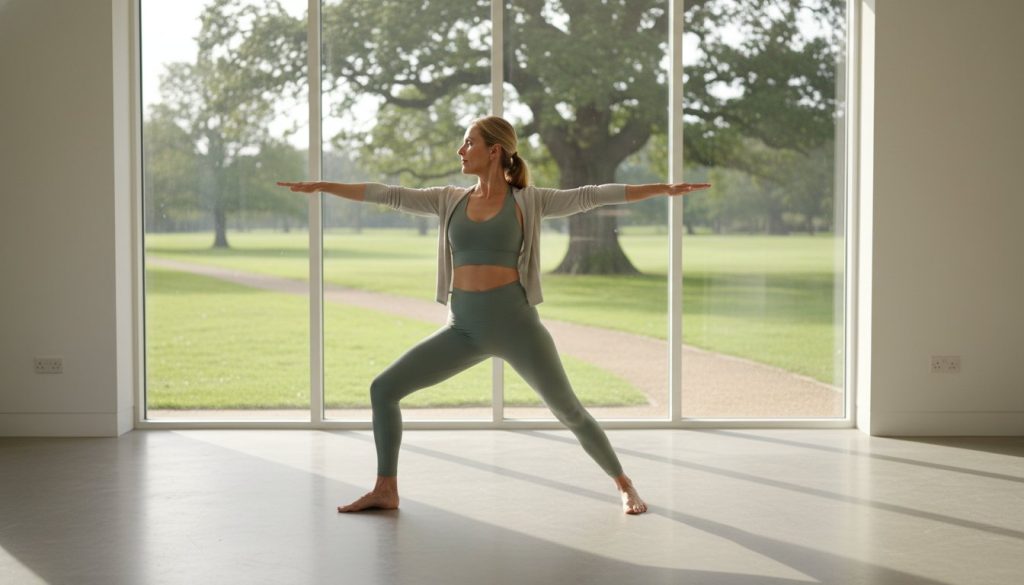


Did you know that 88% of women never receive professional advice about how to move their bodies during menopause? It’s a staggering gap in care, especially when you’re likely dealing with joint stiffness or that sudden, stubborn weight gain around your middle. You might feel like your body is a space you no longer recognize, but finding the right exercise to reduce menopause symptoms isn’t about punishing yourself at the gym. It’s about reclaiming a sense of harmony. We all want to feel like ourselves again, moving with ease rather than fighting against constant aches or disrupted sleep patterns.
In this guide, you’ll discover how specific movement practices can soothe hot flushes, protect your bones, and restore emotional balance during your menopause journey. We’ll explore the latest standards for aerobic and strength training, along with gentle ways to calm your nervous system. From building muscle tone to stabilizing your mood, we’ve curated a path that respects your body’s changing rhythm. It’s time to move away from the noise of fitness trends and toward a more soulful, intentional way of living well.
Key Takeaways
- Learn how declining oestrogen shifts your metabolism and how to use movement to keep your body feeling balanced and responsive.
- Discover why resistance training is a vital practice for protecting your bone density and reversing natural muscle loss during this life stage.
- Explore how yoga and mobility work serve as a calming exercise to reduce menopause symptoms like sudden hot flushes and stiff, aching joints.
- Get a clear, sustainable weekly movement framework that blends strength and cardio with short “movement snacks” for your busiest days.
- Understand the essential connection between movement and nutrition, and how specific minerals can help your muscles recover more effectively.
The Biological Connection: How Movement Regulates Menopause Symptoms
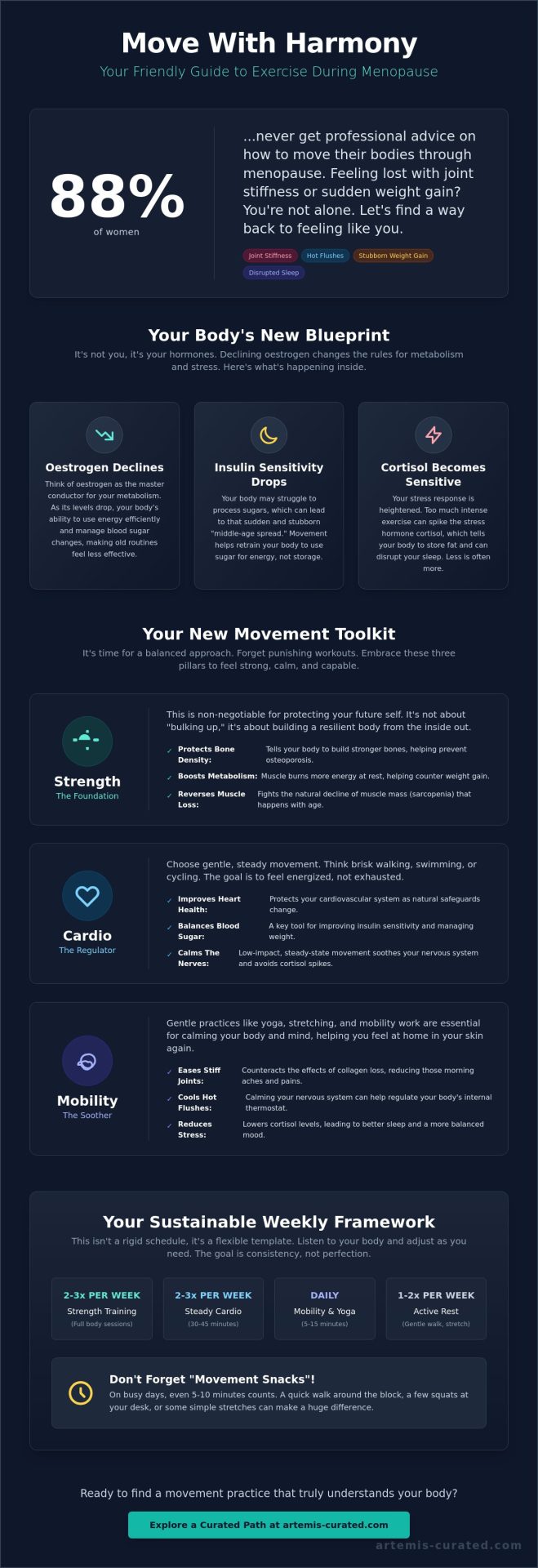
Understanding the internal shifts of Menopause is the first step toward feeling like yourself again. It’s a period where your biology is essentially being rewritten. Oestrogen once acted as a quiet conductor for your metabolism, helping your muscles use energy efficiently and keeping your insulin sensitivity sharp. As these levels decline, your body might feel less responsive to the routines that worked in your thirties. This is why using exercise to reduce menopause symptoms is no longer about “getting fit” in a traditional sense. It is about hormonal management and metabolic protection.
When oestrogen dips, our insulin sensitivity often follows. This means your body can struggle to manage blood sugar, which is why that “middle-age spread” feels so sudden and stubborn. Choosing the right movement helps restore this metabolic health. We should think of “menopause exercise” not as a single task like jogging or swimming, but as a multi-modal approach. It is a carefully selected blend of weight-bearing work, mobility, and steady movement that respects your body’s new boundaries. Low-impact steady-state movement acts as a gentle recalibration for your internal systems, encouraging your hormones to settle into a more predictable and peaceful rhythm.
Why Your Body Needs a Different Approach Now
There is a profound shift happening in your connective tissues that requires a more intentional touch. Oestrogen loss affects the collagen in your joints and ligaments, which can lead to that telltale stiffness in the mornings or unexpected aches after a long day. You’re moving away from high-intensity bursts toward restorative, purposeful movement. This isn’t a sign of slowing down. It’s a sophisticated adjustment. Protecting your heart is also a priority now, as your body’s natural cardiovascular safeguards are changing. Your movement practice is the new foundation for your long-term health and bone density.
The Cortisol Factor: Why Less is Sometimes More
It is easy to fall into the trap of thinking more effort equals better results. However, your adrenal glands are more sensitive now. Too much high-stress cardio can actually backfire by spiking cortisol levels. When cortisol stays high, your body enters a protective mode, often storing fat around the middle and disrupting your sleep. Finding the “sweet spot” means finishing a session feeling capable and calm, not drained. If you’re experiencing persistent fatigue or a racing heart at rest, it’s a sign to dial back. True progress comes from the quality of the movement, and choosing the right exercise to reduce menopause symptoms means listening to what your nervous system actually needs today.
Strength and Resistance: The Foundation of Bone Health and Vitality
Building strength is not a quest for a different silhouette. It is a quiet act of preservation. As oestrogen levels shift, our bones lose their natural protection, making resistance training a non-negotiable part of our lives. When you engage in strength training, your muscles actually pull on the bone, which signals your body to build more density. This biological conversation is essential for preventing osteoporosis. It’s a powerful way to use exercise to reduce menopause symptoms that are often felt but not seen until later in life.
According to research on Strength training for women and bone health, this mechanical stress is what keeps our skeletons resilient. We also face sarcopenia, which is the natural loss of muscle mass as we age. It’s not just about aesthetics. Muscle is metabolically active tissue. The more of it you have, even in small amounts, the more your body burns energy while at rest. This helps counter the unexpected weight gain that often arrives during this transition. Think of lifting weights as gaining power, not bulk. You are building a stronger foundation for the years ahead.
Effective Resistance Practices for Beginners
You don’t need a room full of heavy machinery to start. Simple bodyweight movements like squats, lunges, and planks are excellent for core stability and joint health. If you want a bit more challenge, resistance bands are a gentle, joint-friendly way to engage your muscles. Focus on slow, controlled movements. It’s the quality of the tension, not the speed of the repetition, that creates lasting change. Finding this balance is part of the art of harmony in your daily routine.
Weight-Bearing Movement Beyond the Gym
Strength isn’t confined to a workout session. Brisk walking and hiking are wonderful weight-bearing activities that support your skeletal health. Even small additions to your day, like standing on one leg while you brush your teeth, can improve the balance needed to prevent falls later on. You can even incorporate “heavy lifting” into your life naturally. Carrying groceries or moving garden pots are all moments where your body learns to handle resistance. It all contributes to a more stable, vibrant version of yourself. Using intentional movement as an exercise to reduce menopause symptoms ensures you stay grounded and strong throughout this journey.
Yoga and Mobility: Cooling the Body and Calming the Mind
While strength training provides the structural foundation for your body, yoga and mobility work offer a different kind of relief. This practice is less about power and more about temperature and temperament. For many, the most disruptive part of this transition is the sudden, internal heat of a hot flush. Yoga acts as a regulator for your nervous system, helping to shift your body from a stressed “fight or flight” state into a restorative “rest and digest” mode. This shift is a vital exercise to reduce menopause symptoms because it directly addresses the cortisol spikes that often trigger vasomotor flashes. It’s a way to cool the system from the inside out.
Physical discomfort often manifests as “frozen shoulder” or a general sense of joint stiffness. This happens because declining oestrogen levels can lead to less lubrication in the connective tissues. Gentle, intentional stretching helps to maintain the range of motion in your joints, preventing that feeling of being locked within your own frame. Beyond the physical, these movements offer a space for emotional release. It is common to hold tension in the hips and chest during times of anxiety. Mindful movement allows that tension to surface and dissipate. To understand how these practices fit into a wider lifestyle, you can explore Navigating Menopause: A Curated Guide to Holistic Harmony.
Restorative Yoga for Better Sleep
Sleep can often feel elusive when night sweats and racing thoughts take hold. Restorative yoga uses supported poses to lower your heart rate and prepare your brain for rest. Simple movements, like placing your legs up the wall or reclining with a bolster, encourage blood flow back to the heart and quiet the mind. By creating a serene evening ritual, you signal to your body that the day’s demands are over. This practice is an essential exercise to reduce menopause symptoms by fostering the deep, uninterrupted rest your body needs to recover.
Breathwork as a Portable Symptom Reliever
Breathwork is perhaps the most immediate tool you have for symptom management. Techniques like “Sitali” breath are specifically designed for cooling. By curling your tongue and inhaling slowly through the mouth, you create a cooling sensation that travels through the body, offering a moment of calm during a flush. Deep diaphragmatic breathing also works to lower your overall stress response. When you integrate these breaths with movement, your practice becomes soul-led rather than just physical. It’s a portable, invisible support system you can use anywhere, from a quiet room at home to a busy morning commute.
Curating Your Routine: A Sustainable Weekly Movement Programme
Finding the right rhythm for movement shouldn’t feel like another item on an endless to-do list. Instead of viewing exercise as a medical chore, think of it as a way to curate your week for maximum comfort. A structured approach helps clear the “analysis paralysis” that often comes with vague health advice. To truly use exercise to reduce menopause symptoms, you need a plan that balances effort with recovery. A sustainable framework often looks like this:
- Two days of strength: Focus on the resistance practices we discussed earlier to keep your bones and metabolism strong.
- Two days of cardio: Aim for moderate-intensity movement, like a brisk walk or a steady cycle, for about 30 to 60 minutes.
- Three days of mobility and rest: Use these days for the yoga and breathwork that calm your nervous system.
If a full hour feels out of reach, don’t underestimate the power of “movement snacks.” A short 10-minute burst of activity, like a quick walk around the block or a few stretches between meetings, can be incredibly effective. The goal is to listen to your “body wisdom” rather than following a rigid app. Some days you’ll have the energy to push, and other days you’ll need to dial it back. Try tracking your progress by how you feel. Better sleep, a more stable mood, and less joint stiffness are far more meaningful than the numbers on a scale.
Adapting to Your Energy Cycles
Fatigue can hit hard during this transition, and it’s vital to respect those low-energy days. If you’re feeling drained, a high-intensity workout might do more harm than good by spiking your cortisol. On those days, recognize that a slow walk in nature is a perfectly valid form of movement. Consistency is always more valuable than occasional intensity. By showing up for yourself in small, manageable ways, you build a habit that lasts. If you’re looking for more ways to support your body’s rhythm, you can explore the Full Curated collection for targeted support.
Environmental Selection: Where You Move Matters
The space where you move has a profound impact on your mental clarity. “Green exercise,” or moving outdoors in fresh air, can significantly lower stress and improve your mood. When you’re at home, try to create a dedicated, peaceful spot for your practice. It doesn’t need to be large, just a quiet corner that feels like a sanctuary. Pay attention to your clothing as well. Selecting natural, breathable fabrics will help you manage your temperature and stay comfortable if a hot flush occurs. When your environment supports you, using exercise to reduce menopause symptoms becomes a much more soulful experience.
The Holistic Edit: Integrating Nutrition and Supplements for Maximum Relief
Movement is a powerful tool, but it doesn’t exist in a vacuum. To truly see the benefits of exercise to reduce menopause symptoms, your body needs the right building blocks to repair and recalibrate. If there are nutritional gaps in your daily life, even the most curated movement routine can leave you feeling depleted rather than restored. Think of nutrition as the silent partner to your physical practice. It provides the raw materials that allow your muscles to recover and your nervous system to find its steady ground. When you combine intentional movement with curated support, you create a comprehensive approach to your well-being.
There is a beautiful synergy between certain minerals and the way our bodies respond to activity. For example, magnesium is often called the “master mineral” for a reason. It works alongside your movement to ease the muscle tension and joint stiffness we’ve discussed. By addressing these internal needs, you’re not just masking symptoms; you’re supporting your body’s natural ability to find balance. This is the foundation of the art of harmony, where every choice you make contributes to a larger sense of ease and vitality.
Post-Workout Recovery and Nourishment
As we move through our forties and beyond, our nutritional requirements shift. Protein intake becomes particularly important for muscle repair. Since we’re working harder to counter muscle loss, providing your body with enough protein after a session is essential. Hydration also requires a more thoughtful strategy now. It’s not just about replacing water; it’s about accounting for the extra fluid and minerals lost during sudden hot flushes. Ensuring your body has what it needs to rebuild is vital. You can support this overnight recovery process with the art of sleep, which helps your body focus on deep, restorative repair while you rest.
The Role of Magnesium and Botanicals
Magnesium does more than just support muscle function. It acts as a soothing balm for a busy mind and a sensitive nervous system. When your cortisol levels feel high, magnesium helps bring you back to a state of calm. Certain botanicals can also complement the cooling effects of your yoga and breathwork, helping to manage the internal heat that often disrupts your day. Choosing these elements with intention is a key part of a sophisticated wellness routine. For a deeper look at how to select the right tools for your journey, read our guide on the Best Supplements for Women in 2026. By integrating these holistic edits, your use of exercise to reduce menopause symptoms becomes part of a truly harmonious lifestyle.
Embracing a New Rhythm of Vitality
Finding a way to move that feels supportive rather than stressful is a powerful act of self-care. We’ve explored how resistance training builds a strong foundation for your bones and how gentle yoga can cool your body during a hot flush. Choosing the right exercise to reduce menopause symptoms isn’t about following a rigid plan. It’s about listening to your body’s wisdom and selecting movements that restore your energy and calm your mind. When you pair this intentional movement with the right nutritional support, you create a lifestyle that truly feels harmonious.
If you’re looking for a foundation to support these daily choices, explore The art of harmony to support your journey toward hormonal balance. These expertly curated botanical blends are designed for the sophisticated needs of women over 40, helping you find balance from the inside out. We also offer free UK delivery on our full collections to help you begin your journey with ease. You have the power to redefine this chapter of your life. Start small, move with intention, and trust that your body knows the way back to its most vibrant self.
Frequently Asked Questions
Can exercise actually make hot flushes worse?
High-intensity workouts can temporarily trigger a flush if they raise your core temperature too quickly, but regular movement usually reduces their frequency over time. It is all about the intensity you choose during a flare-up. If you feel a flush coming on, switching to a cooling practice like gentle yoga or a slow walk can help settle your nervous system without spiking your internal heat.
What is the single best exercise for menopause weight gain?
Resistance training is the most effective tool for managing weight gain because it builds muscle, which is more metabolically active than fat. As your oestrogen levels decline, your resting metabolism naturally slows down. By lifting weights or using resistance bands, you encourage your body to burn more energy even at rest, specifically targeting the stubborn weight that often settles around the middle.
How often should a menopausal woman lift weights?
You should aim for at least two strength sessions per week to see real benefits for your muscles and bones. These sessions don’t need to be long or exhausting; twenty to thirty minutes of focused work is plenty. Following this consistent rhythm helps counter the natural muscle loss that occurs during this transition, keeping you feeling strong and capable in your daily life.
Is walking enough to protect my bone density during menopause?
Walking is a wonderful foundation for heart health, but it usually isn’t enough on its own to fully protect your bone density. Your skeleton needs the specific mechanical pull that comes from resistance training to stimulate bone growth. For the best protection against osteoporosis, try to combine your daily walks with at least two days of strength exercises that challenge your major muscle groups.
I am always exhausted; how can I find the energy to exercise?
Start with “movement snacks” of just ten minutes to build momentum without overtaxing your system. When you’re dealing with deep fatigue, pushing through a hard workout can actually spike your cortisol and make you feel worse. You’ll often find that a short, gentle walk or some light stretching actually creates energy, helping you feel more awake and focused for the rest of the day.
Can yoga help with the “brain fog” associated with menopause?
Yoga is excellent for clearing brain fog because it lowers stress hormones and improves circulation to the brain. The focus required for mindful movement helps quiet the mental noise that often leads to forgetfulness or lack of concentration. Using yoga as an exercise to reduce menopause symptoms provides a quiet space to reset your mind and find your mental clarity again.
What should I eat before exercising to help my hormones?
A small snack that combines slow-releasing carbohydrates with a bit of protein is the best way to keep your blood sugar stable while you move. Something simple like a piece of fruit with a few nuts or a small yoghurt works perfectly. This prevents the blood sugar dips that can stress your adrenal glands, ensuring your workout supports your hormonal health rather than disrupting it.
Is it ever too late to start an exercise programme for menopause symptoms?
It is never too late to start using exercise to reduce menopause symptoms, regardless of your age or previous activity level. Your body remains remarkably responsive to movement, and you can begin to see improvements in your mood and bone strength within just a few weeks. Starting today is a beautiful way to invest in your future health and reclaim a sense of harmony in your body.