

What if the secret to your morning spark isn’t another cup of coffee, but a hormone you’ve been told belongs only to men? It’s a surprising reality that testosterone is actually the most abundant biologically active steroid hormone in a woman’s body. According to a 2019 study published in The Lancet Diabetes & Endocrinology, women often have significantly higher levels of this hormone than estrogen throughout their reproductive years. When these levels dip, the vibrant life you’ve carefully built can start to feel muted and heavy.
You might feel like you’re doing everything right, yet you’re still waking up exhausted, losing muscle tone despite your workouts, or feeling a bit “flat” and disconnected from your usual drive. It’s frustrating when your body doesn’t respond the way it used to. In this guide, we’ll explore why this hormone is so essential for your health, how it changes during menopause, and natural ways to support your energy and libido. You’ll discover how to identify the signs of a shift and find simple, soulful ways to restore your natural vitality.
Key Takeaways
- Understand the essential role testosterone plays in a woman’s body, supporting everything from your physical strength to your daily mood.
- Discover how this hormone helps protect your bone health and sharpens your mental focus, helping you feel more like yourself.
- Learn to spot the difference between typical menopause symptoms and the natural decline of hormones that often begins earlier than you might think.
- Find out how simple shifts in your exercise and nutrition, like lifting weights and eating healthy fats, can act as a natural spark for your energy.
- Explore a more intentional approach to wellness that moves away from temporary fixes toward a lasting sense of balance and vitality.
Beyond the Label: Why Testosterone is a Vital Female Hormone
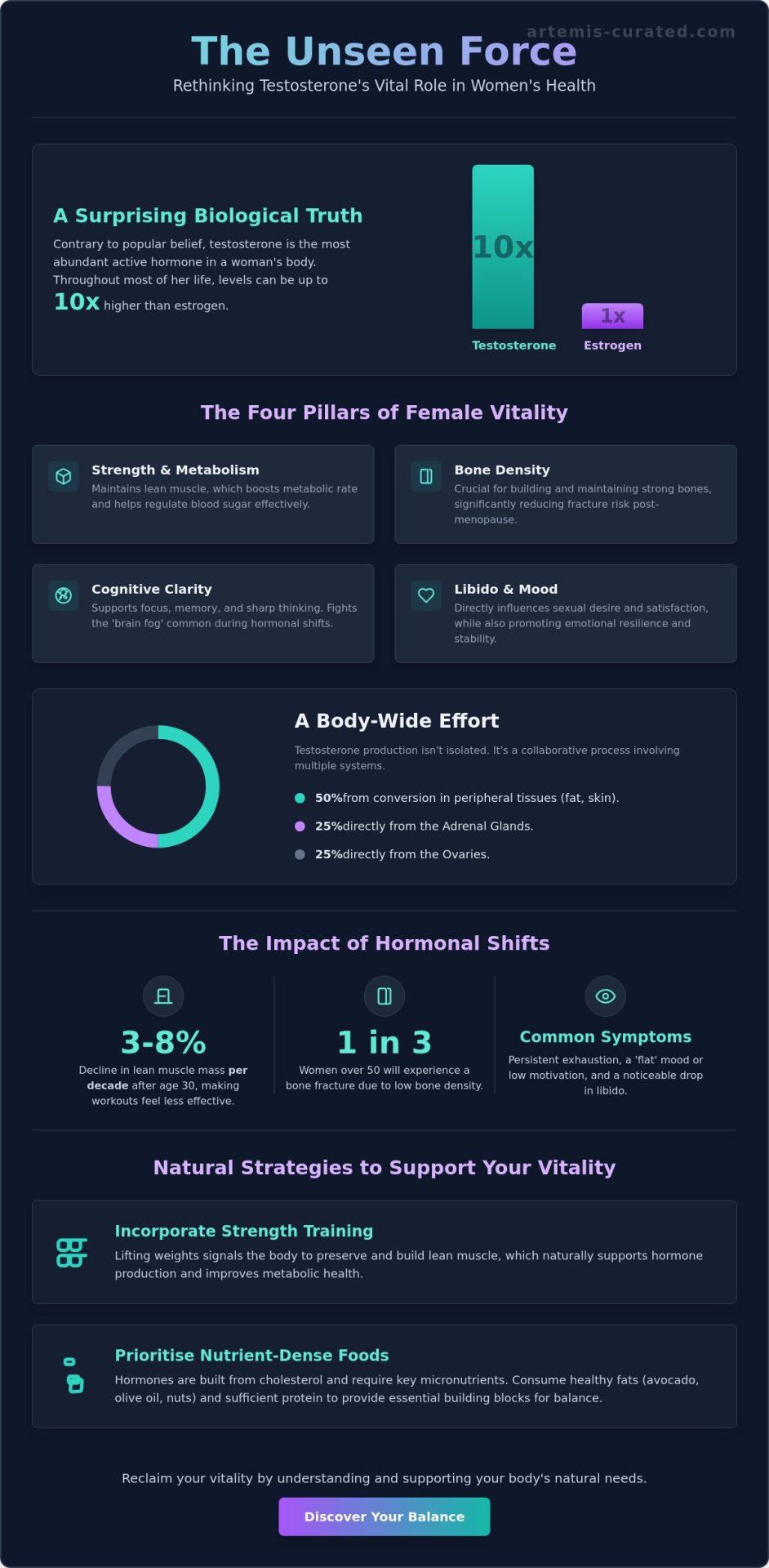
We often think of this androgen as the fuel for masculinity, a hormone reserved for the gym or the boardroom. This narrow view ignores a fundamental biological truth. In the delicate ecosystem of a woman’s body, What is testosterone? It’s a vital component of health that far exceeds its reputation. While estrogen usually takes the spotlight, women actually carry significantly more of this hormone in their bloodstream than estrogen. Research from the Monash University Women’s Health Research Program indicates that testosterone levels in women are roughly ten times higher than estradiol levels throughout most of their lives.
This hormone doesn’t work in isolation. Think of your endocrine system as a finely tuned group of musicians. It performs a duet with estrogen that sustains your energy, mood, and physical strength. Without one, the melody of your health loses its depth. Your ovaries produce about 25 percent of this supply, while your adrenal glands contribute another 25 percent. The remaining 50 percent comes from the conversion of other hormones in your peripheral tissues, showing just how integrated it is into your entire physical being.
The Biological Blueprint of Female Testosterone
Your body is a master of transformation. It takes precursors like DHEA and skillfully converts them into active hormones as needed. This process is especially important as we age. When the ovaries begin to slow their production during the transition to menopause, the adrenal glands step in to help maintain a steady flow. Testosterone is a multi-functional steroid hormone essential for female metabolic health.
De-stigmatising “The Male Hormone”
Many women hesitate to discuss this topic because they fear “masculinisation.” They worry about deep voices or unwanted hair. These changes only occur when levels are artificially high, far beyond what your body naturally requires for balance. For decades, medical research focused almost exclusively on male health, leaving women’s needs in the shadows. This historical gap has created a skewed perspective on what holistic wellness looks like for the modern woman.
Reclaiming this part of your health isn’t about chasing a trend. It’s about understanding the narrative of your own body. When we look past the labels, we find a hormone that supports several key areas of life:
- Bone density and muscle mass maintenance.
- Cognitive clarity, focus, and memory.
- Sexual desire and overall physical satisfaction.
- Emotional stability and resilience against stress.
Balancing your hormones is an act of self-respect. It requires a discerning eye and a willingness to listen to what your body truly needs. You can explore our shop to find wellness supports that help you begin your journey toward a more harmonious internal environment.
The Vital Roles of Testosterone in Your Daily Vitality
Testosterone is often misunderstood as a purely masculine trait, yet it acts as a quiet architect of the female body. It isn’t just about strength; it’s about the very foundation of how we feel when we wake up each morning. For women, this hormone is produced in the ovaries and adrenal glands, serving as a precursor to estrogen while maintaining its own distinct, vital functions. When these levels are optimal, life feels more vibrant and manageable.
Physical Strength and Metabolic Harmony
Maintaining muscle tone during the middle years is often a struggle that feels uphill. Testosterone is the secret driver here, helping our bodies retain lean muscle mass which naturally begins to decline by about 3% to 8% per decade after age 30. This isn’t just about looking toned. Muscle is metabolic currency. It determines how efficiently we process energy and manage blood sugar levels. Without enough of this hormone, you might find that your usual exercise routine simply doesn’t yield the results it once did.
Bone health is another critical chapter in this story. Data from the International Osteoporosis Foundation shows that 1 in 3 women over the age of 50 will experience a bone fracture due to low density. While we often focus on calcium, testosterone plays a major role in building the mineral density that prevents these injuries. Research from the University of Miami suggests that testosterone therapy after menopause can be an essential consideration for women looking to protect their skeletal integrity. By supporting the cells that build bone, this hormone helps ensure your physical frame remains a sturdy sanctuary for years to come.
The Cognitive and Emotional Edge
Many women describe a certain “brain fog” that sets in during their 40s and 50s. It feels like a thick veil over your thoughts, making it hard to find words or stay focused on a single task. This often isn’t just a side effect of a busy life or poor sleep. Testosterone receptors are highly concentrated in the hippocampus, the part of the brain responsible for memory and cognitive clarity. When levels dip, that sharp edge we rely on can start to dull.
The emotional impact is just as profound. Healthy levels support a stable mood and a natural resilience to the stressors of daily life. It provides the neurobiological spark for motivation, often called the “zest for life.” This hormone influences our sense of confidence and assertiveness, helping us feel present and engaged in our personal narratives. As you seek to bring more intentionality to your wellness journey, you can find tools to support your daily rituals in our curated shop.
- Metabolic Rate: Testosterone helps regulate fat distribution and energy expenditure, impacting how we maintain weight.
- Heart Health: Research published in 2018 indicates that balanced levels contribute to better arterial elasticity and healthy blood flow.
- Motivation: It drives the dopamine pathways that make us feel rewarded by our achievements and daily pursuits.
The Menopause Connection: Why Levels Drop and How It Feels
The story of hormone levels in a woman’s body isn’t a sudden ending; it’s more like a slow, quiet fading of a familiar light. While many associate hormonal shifts strictly with the finality of menopause, the decline of testosterone actually begins much earlier. Most women see their levels peak in their mid-20s. By the time they reach age 45, those levels have typically dropped by about 50 percent. This gradual decrease happens long before the more famous fluctuations of oestrogen take center stage.
Stress acts as a silent thief in this process. When you live in a state of high cortisol, your body often shifts its resources away from hormone production to focus on survival. This constant pressure can accelerate the dip, leaving you feeling more like a spectator in your own life than the lead character. It’s a subtle change that affects how you show up in your home and your work every day. It’s about the loss of that inner drive that makes life feel vibrant and intentional.
Navigating the Menopause Transition
During the transition toward menopause, the ovaries begin to change their role in your body’s narrative. They don’t just stop working; they shift their output. This change directly affects how much testosterone is available to your tissues. Some women feel this drop more acutely than others, often describing it as a loss of vitality that feels separate from typical aging. This process is closely tied to other changes, which you can explore further in our guide to oestrogen: understanding the architect of female vitality.
Identifying the Signs of Low Testosterone
Recognizing a deficiency requires a certain level of intentionality. It isn’t always about a single symptom. It’s often a collection of small shifts that change the texture of your daily experience. You might notice a lack of desire or a physical weakness that wasn’t there before. Common signs include:
- A noticeable decrease in sexual desire or satisfaction.
- Persistent fatigue that doesn’t improve with a good night’s rest.
- Muscle weakness or a loss of muscle tone.
- Thinning hair or changes in skin elasticity.
Beyond the physical, there’s often an emotional shift. You might feel like you’ve lost your “spark” or feel less adventurous. If these signs resonate, it’s helpful to discuss the risks and benefits of testosterone therapy with your healthcare provider. Blood tests can be tricky because “normal” ranges are broad. It’s better to ask for a comprehensive panel that looks at your free and total levels to get a clear picture of your unique hormonal narrative. This data helps you make choices that support a more balanced and soulful way of living.
Natural Strategies to Support and Optimise Your Levels
Optimising your body’s chemistry doesn’t always require a prescription. It starts with the way you move. Lifting weights acts as a powerful hormonal signal that tells your system to stay strong and resilient. A 2016 study published in the Journal of Strength and Conditioning Research found that women who engaged in resistance training twice a week saw significant improvements in their hormonal profiles within 24 weeks. This type of movement encourages the body to maintain muscle mass and bone density, which are both closely linked to your metabolic health.
You need specific nutrients to act as the building blocks for hormone synthesis. Healthy fats from sources like avocados and olive oil are essential because they provide the cholesterol needed to produce testosterone. Minerals play a supporting role too. Since nearly 80% of adults don’t meet the daily requirements for magnesium, focusing on seeds and leafy greens can make a massive difference. Zinc is another heavy hitter, as it helps the pituitary gland release the hormones that stimulate production in the first place.
High cortisol levels are the primary thief of your hormonal vitality. When you’re constantly in a state of fight-or-flight, your body prioritises survival over thrive-state functions. This means that managing stress isn’t just a lifestyle choice; it’s a physiological requirement for balance. Finding a daily rhythm that includes moments of quiet can lower your baseline stress and allow your endocrine system to function without interference.
Lifestyle Shifts for Lasting Energy
Deep sleep is where the magic happens. Research shows that nearly 90% of your daily hormone pulse occurs while you’re in the deep stages of rest. If you’re cutting your sleep short, you’re essentially cutting off your supply. It’s also helpful to look at what you’re consuming. Alcohol and processed sugars cause internal inflammation that can suppress your natural drive. Simple habits, like a brisk twenty minute walk after lunch, help keep your insulin levels steady and your energy consistent.
The Botanical Edit: Nature’s Support System
Herbs like Ashwagandha and Maca are time-tested tools for supporting the adrenal glands. A 2012 study in the Indian Journal of Psychological Medicine showed that Ashwagandha can reduce serum cortisol levels by 27.9%. This reduction creates the perfect environment for your body to naturally produce testosterone and maintain a healthy libido. When selecting these botanicals, quality is everything. Mass-produced vitamins often contain synthetic fillers that lack the potency of a carefully sourced extract. For a targeted way to reclaim your vitality, you might consider The Art of Passion as a refined addition to your daily ritual.
Ready to prioritise your well-being with intention? You can explore our curated collection to find the support your body deserves.
Curating Your Vitality: The Artemis Approach to Balance
Wellness isn’t a race to a finish line. We’ve all seen the marketing for miracle pills that promise overnight changes, but your body deserves more respect than a shortcut. At Artemis, we move away from the frantic energy of quick fixes and lean into a philosophy of intentional wellness. This means choosing products that align with your body’s natural narrative rather than trying to force it into a temporary mold.
We believe that true health is a story that unfolds over time. Our curated collections are designed to support this unfolding, providing the quiet authority you need to make informed choices. Every selection in our shop reflects a deep respect for the history of your own health journey. We don’t just sell supplements; we offer tools for a more soulful way of living that prioritizes longevity and grace.
When you understand how testosterone interacts with your system, you can better interpret those signals. A 2023 study published in the Journal of Women’s Health highlighted that only 15% of women feel they receive adequate information regarding hormonal shifts. This lack of clear data often leads to unnecessary frustration. By paying attention to subtle shifts in energy and mood, you can begin to understand what your body truly requires to thrive during your prime years.
A Holistic View of Mature Wellness
True vitality comes from finding harmony across sleep, radiance, and passion. These aren’t separate categories; they’re interconnected threads of your daily life. We encourage a slow, deliberate approach to your supplement rituals. Taking a moment each morning to check in with yourself creates a sense of sanctuary. You can explore this perspective further in our Mature Women: A Guide to Navigating Wellness. It’s a resource built for those who value quality and depth.
Inviting Harmony Back Into Your Life
Understanding the role of testosterone is a significant step toward reclaiming your spark. While often ignored, this hormone is a cornerstone of female vitality that supports everything from bone density to mental focus. Our “Art of Passion” collection fits into a wider wellness routine that prioritizes your long-term well-being. You can find our full range of curated supports at the Artemis shop. This stage of life is an invitation to live with more confidence and purpose than ever before.
Reclaim Your Natural Spark
Understanding your hormones shouldn’t feel like a chore. We’ve seen how testosterone plays a massive role in keeping your energy up and your mind sharp. It’s not just a hormone for men. In fact, research published in the Journal of Women’s Health shows that a woman’s levels naturally drop by about 50% between her 20s and 40s. This shift explains why you might feel a bit less like yourself as the years pass. By focusing on natural strategies and botanical support, you can find your way back to a sense of balance that feels right for you.
Our approach at Artemis Curated is all about holistic harmony. We skip the synthetic fixes in favor of expertly curated botanical ingredients that respect your body’s rhythm. These formulas are specifically created for the unique needs of mature women who want to feel vibrant again. It’s about finding what works for your story and your life. You deserve to feel focused, driven, and completely at home in your own skin.
Explore The Art of Passion and rediscover your inner drive
You have everything you need to start this new chapter with confidence.
Frequently Asked Questions
Do women really need testosterone?
Yes, women produce about 0.25 mg of this hormone every day, which is actually more than the amount of estrogen the body creates before menopause. It acts as a vital foundation for bone density, muscle strength, and cognitive clarity. Without it, you might feel a persistent sense of fatigue that sleep can’t fix. It’s a necessary part of your internal chemistry that supports your overall vitality and drive.
What are the symptoms of low testosterone in women?
Common signs include a thinning of muscle mass, unexplained weight gain around the midsection, and a foggy brain. A 2014 study in the Journal of Sexual Medicine showed that low testosterone levels correlate with a 40 percent decrease in sexual desire. You might also notice your skin losing its natural elasticity or a general lack of motivation. These physical shifts often signal that your hormone production has dipped.
Can I increase my testosterone levels naturally?
You can support your levels through intentional lifestyle shifts like heavy resistance training and specific nutritional choices. Research indicates that consistent weight lifting can increase circulating levels by up to 15 percent in women. Focusing on foods rich in zinc and vitamin D also provides the raw materials your body needs. It’s about creating a supportive environment where your endocrine system can function at its best without synthetic intervention.
Will taking supplements for testosterone make me grow facial hair?
No, supporting your levels within a female physiological range won’t cause masculine traits like facial hair. Unwanted hair growth, known as hirsutism, typically only occurs if levels exceed 150 ng/dL, which is far beyond standard replacement or support goals. When you approach hormone health with a focus on balance, you’re restoring what’s missing rather than creating an excess. It’s a gentle process of returning to your natural state.
How does menopause affect my testosterone levels?
While menopause is famous for the drop in estrogen, your testosterone levels actually begin a slow decline much earlier. By the time a woman reaches age 40, her levels have often dropped by 50 percent from their peak in her early twenties. This gradual reduction continues through the menopausal transition. It explains why many women feel a loss of physical strength or a dampened mood during this specific chapter of life.
Is there a link between testosterone and low libido in women?
Yes, this hormone is a primary driver of sexual desire and responsiveness in the female body. The North American Menopause Society identifies it as the only hormone therapy currently proven to improve Hypoactive Sexual Desire Disorder in postmenopausal women. It works by influencing the reward centers in your brain. When levels are balanced, you likely feel more connected to your body and its natural rhythms, enhancing your overall quality of life.
What is the best way to test my hormone levels?
A blood test using Liquid Chromatography-Tandem Mass Spectrometry, or LC-MS/MS, is the gold standard for accuracy. Standard immunoassay tests often struggle with the low concentrations found in women; they sometimes show an error rate of 20 percent. To get a clear picture, you should test in the morning when levels are at their highest. This data provides a reliable map for your wellness journey and helps you avoid guesswork.
How long does it take to see results from natural hormone support?
Most women begin to notice a shift in their energy and mood within 8 to 12 weeks of consistent support. Clinical observations suggest that 90 days is the typical window for cellular turnover and hormonal stabilization to take full effect. Patience is a key part of the process. You’re not looking for a quick fix but a meaningful, long term restoration of your body’s inherent vitality and strength.