

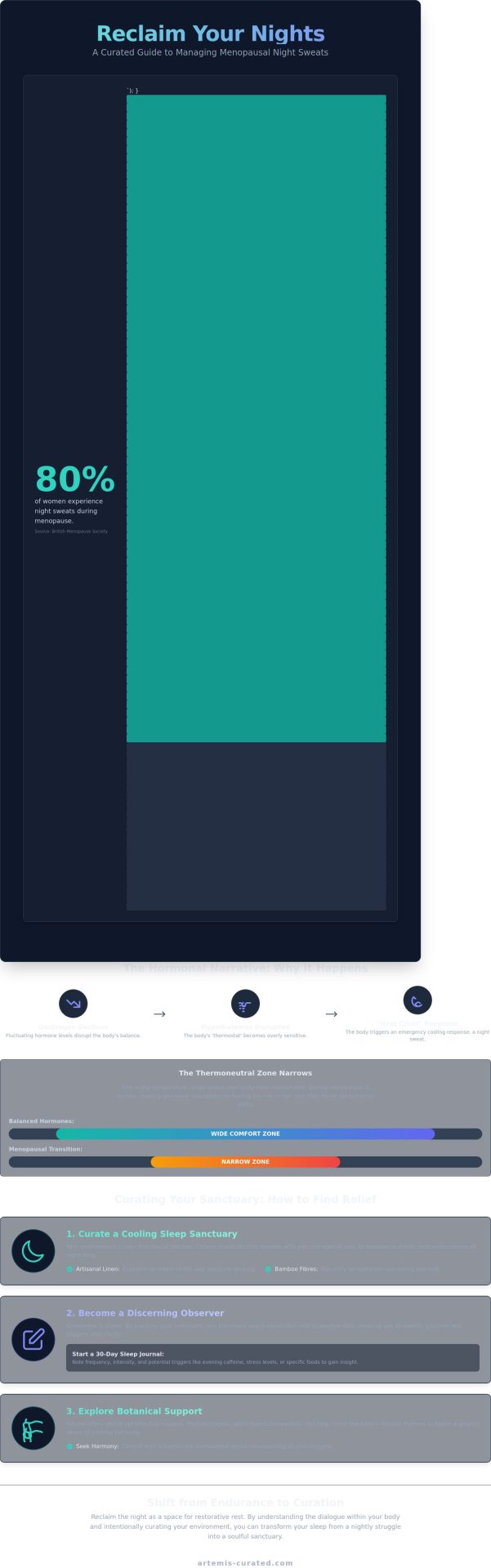
What if the midnight heat isn’t a betrayal of your body, but an invitation to curate a more intentional sleep sanctuary? You’ve likely spent 3 a.m. staring at the ceiling, tangled in damp linens and searching for how to stop night sweats during menopause while feeling a profound disconnect from your own skin. It’s an exhausting rhythm that leaves roughly 80% of British women, according to the British Menopause Society, feeling like strangers in their own bedrooms. You deserve a space that breathes with you, rather than against you.
Discover how to reclaim your evenings and restore your sleep sanctuary through a curated approach to managing your internal climate. We’ll examine the tactile beauty of temperature-regulating fibres and the quiet rituals that harmonise your hormonal narrative. This guide offers a path to uninterrupted, restorative sleep, ensuring your bedroom remains a place of true, cooling repose.
Key Takeaways
- Understand the nuanced dialogue between the hypothalamus and declining oestrogen to transform your perspective on nocturnal temperature shifts.
- Master how to stop night sweats during menopause by moving beyond the superficiality of a cooling fan toward a curated, holistic lifestyle approach.
- Curate a tactile sleep sanctuary using the breathability of artisanal linen and bamboo to restore the cooling integrity of your evening environment.
- Discover the gentle efficacy of botanical support and how phytoestrogens can mirror the body’s natural rhythms to foster internal harmony.
- Reclaim the night as a space for restorative rest by shifting from a mindset of endurance to one of intentional, soulful curation.
Understanding the Nocturnal Flush: Why Night Sweats Disrupt Your Peace
Night sweats are more than a mere interruption of sleep; they represent the nocturnal manifestation of vasomotor symptoms, a profound shift in the body’s internal rhythm. Unlike the simple discomfort of an overly warm duvet or a humid evening, these episodes originate from a deep, internal source. They’re a significant chapter in the menopause narrative, often arriving with a visceral intensity that transforms the bed from a place of restoration into a site of physical unrest. The emotional toll is often described as a state of heat-induced anxiety, where the sudden surge of adrenaline leaves the mind racing long after the temperature has peaked. Understanding the mechanism of hot flashes is the first step in reclaiming the sanctuary of the bedroom. For many women, this journey is about more than comfort. It’s about learning how to stop night sweats during menopause to preserve the soul of their daily rest.
The Sensory Experience of Menopausal Heat
The experience begins with an unfolding sensation of heat, radiating from the core and blooming across the skin. It’s an unbidden warmth that disregards the ambient temperature of the room. As the sweat arrives, the tactile comfort of fine linens is replaced by the clinging, heavy weight of damp fabric. This sudden moisture triggers a sharp, evaporative chill as the episode recedes. This rapid oscillation between intense heat and shivering cold is what truly fractures the sleep cycle; it leaves the body in a state of hyper-vigilance that makes returning to a deep slumber nearly impossible.
When to Seek Quiet Authority: Tracking Your Symptoms
To find clarity, you must become a discerning observer of your own experience. Keeping a sleep journal allows you to document the frequency and intensity of these episodes, noting specific triggers like evening caffeine or the provenance of your bedding. This practice of intentionality provides the data needed for informed conversations with healthcare professionals. For those seeking a wider perspective on this transition, our Navigating Menopause pillar offers a broader context for holistic harmony. Discovering how to stop night sweats during menopause begins with this intimate, documented self-awareness. By tracking patterns over a 30 day period, you can identify if your symptoms are escalating or responding to lifestyle adjustments.
The Hormonal Narrative: How Oestrogen Influences Your Internal Thermostat
The hypothalamus sits at the very heart of our physical experience, acting as a sophisticated regulator that monitors the delicate climate of the body. In a state of balance, this neural centre maintains a steady temperature with quiet precision. However, as the menopausal transition begins, the narrative shifts. The hypothalamus acts as the body’s master thermostat, orchestrating a complex thermal narrative that often becomes fractured during the menopausal transition. When oestrogen begins its inevitable retreat, the brain effectively loses its anchor, often misinterpreting minor shifts in temperature as a full-scale heat crisis.
This biological misunderstanding triggers an emergency cooling response. The heart rate quickens and blood vessels dilate, leading to the intense warmth and subsequent perspiration that define the nocturnal experience for approximately 75% of women. Understanding this internal dialogue is the first step in learning how to stop night sweats during menopause. By acknowledging that the body is reacting to a perceived rather than actual threat, we can begin to curate an environment that invites stillness. Citing clinical insights on managing night sweats reveals that these episodes are often exacerbated by the interplay between oestrogen and progesterone, which together influence the threshold at which we begin to sweat or shiver.
Oestrogen: The Architect of Balance
During perimenopause, oestrogen levels don’t simply fade; they fluctuate with a rhythmic unpredictability. This instability narrows what scientists call the thermoneutral zone. This is the narrow temperature range where the body feels comfortable without needing to sweat or shiver. As this zone tightens, even a fraction of a degree’s change can spark a flush. Evening is a particularly vulnerable time for these signals to misfire, as the body’s natural circadian rhythm attempts its nightly temperature drop, often confusing a sensitive hypothalamus. Discovering ways to support this transition is essential for those seeking a serene evening ritual that restores rest.
The Cortisol Connection
The adrenal system plays a vital role in our nocturnal comfort. When daytime stress remains unresolved, cortisol levels often spike at night rather than receding. This surge acts as a chemical catalyst for heat. High cortisol levels tell the body to remain alert, which directly interferes with the cooling mechanisms required for deep sleep. A serene mind is the first step toward a cool body. Addressing the day’s tension through intentional ritual can lower these adrenal spikes, providing a more stable foundation for the hypothalamus. Learning how to stop night sweats during menopause requires us to look beyond the physical heat and consider the emotional provenance of our stress.
Beyond the Fan: Challenging the Misconception of Inevitable Discomfort
There’s a prevailing narrative that midlife must be defined by a loss of composure. We’re often told that damp sheets and fractured sleep are simply the price of passage. This is a fallacy. Understanding how to stop night sweats during menopause begins with rejecting the idea that discomfort is mandatory. It’s not a debt to be paid to time; it’s a physiological shift that invites a more intentional way of living.
Relying solely on a blast of cold air from a fan or air conditioning misses the underlying biological narrative. These are reactive gestures. They chill the skin but do nothing to soothe the dysregulation of the hypothalamus, which acts as the body’s internal thermostat. According to a 2023 survey by the British Menopause Society, 73% of women experience vasomotor symptoms, yet many view them as an unavoidable burden rather than a signal to curate their environment more deeply. True relief comes from a soulful appreciation of what we put in and on our bodies. It’s about moving away from the frantic search for a “fix” toward a refined, holistic curation of our nocturnal space.
HRT vs. Natural Alternatives
Clinical prescriptions like Hormone Replacement Therapy (HRT) provide a robust foundation for many. However, many women now seek a more serene, botanical path to supplement or replace clinical interventions. This layered approach values the provenance of the ingredients we consume. It’s the difference between a standard prescription and an artisanal ritual. Data from a 2022 study in The Lancet suggests that individualised care plans, which may include herbal supports like black cohosh or red clover, can significantly improve sleep quality for those who prefer to avoid or minimise pharmaceutical reliance. This isn’t just about symptom management; it’s about reclaiming a sense of grace.
Identifying Your Personal Triggers
Refining the palate is essential when learning how to stop night sweats during menopause. Our evening choices often act as thermal catalysts, igniting the very internal heat we wish to extinguish. A glass of red wine or a spicy curry might feel like a treat, but their impact on the vascular system is immediate. Consider these common disruptors:
- Evening stimulants: Caffeine and alcohol dilate blood vessels, often leading to a spike in core temperature within 45 minutes of consumption.
- Digital interference: Exposure to blue light from smartphones after 9pm disrupts the delicate hormonal rhythm required for deep, cool sleep.
- Dietary heat: Specific spices can trigger the body’s cooling response prematurely, leading to the dreaded nocturnal flush.
By auditng these daily habits with the eye of a collector, you transform your evening from a period of potential distress into a carefully curated prelude to rest. It’s a deliberate shift toward a more harmonious way of being.
Curating Your Sanctuary: A Step-by-Step Guide to Cooling Your Sleep Environment
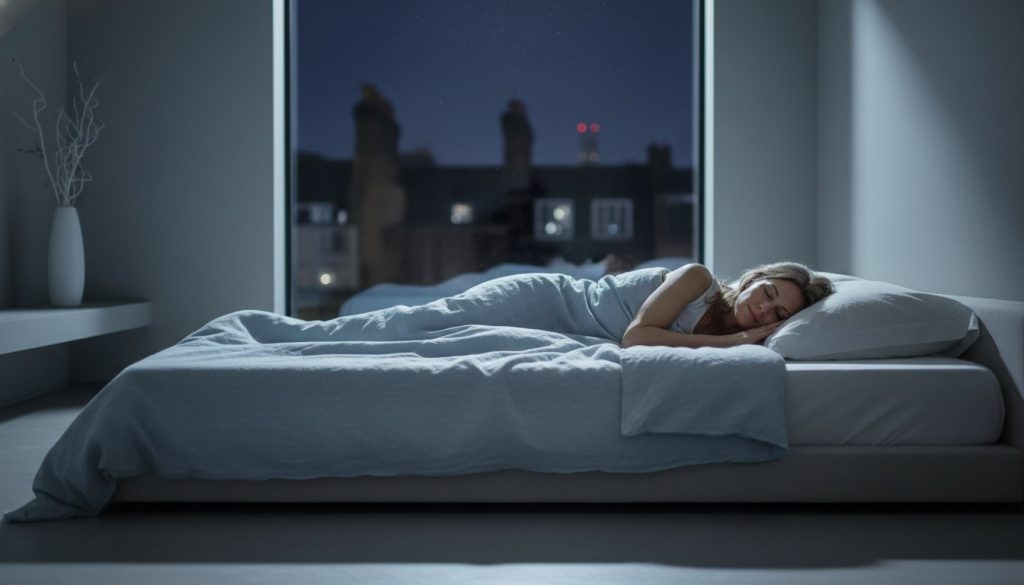
Your home is a living narrative. During the transition of menopause, the bedroom evolves from a simple place of rest into a dedicated site for hormonal healing. It’s a space where intentionality meets biology. Understanding how to stop night sweats during menopause begins with the physical environment; it requires a rejection of the mass-produced in favour of objects that possess soul and purpose. By treating your sleep space as a curated sanctuary, you create a vessel for restoration that respects the body’s changing needs.
- Step 1: Select Breathable, Artisanal Fabrics. Replace synthetic blends with the honest texture of linen or bamboo. These fibres carry a heritage of breathability that polyester cannot replicate. They allow heat to escape rather than reflecting it back to the skin.
- Step 2: The Layering Method. Eschew the heavy, singular duvet. Instead, curate a landscape of lightweight layers. A fine cotton sheet paired with a hand-loomed throw allows for effortless temperature adjustment as the night unfolds. It’s about flexibility and grace.
- Step 3: Rhythmic Evening Wind-down. Lowering your core body temperature is a biological necessity. Start this process ninety minutes before sleep by dimming lights and engaging in slow, deliberate movements.
- Step 4: Sensory Cues. Use cooling mists infused with vetiver or sandalwood. These scents signal the brain to descend into a state of quietude. A chilled linen spray can provide an immediate, tactile sense of relief during a sudden flush.
Tactile Comfort: The Importance of Fibre
Cotton and linen remain the pre-eminent choices for menopausal skin. Their moisture-wicking properties are unmatched; they pull heat away from the body rather than trapping it against the limbs. Seek out textures that feel weathered and soft rather than crisp and cold. A 2022 survey by the British Menopause Society noted that 75% of women experience vasomotor symptoms; choosing high-quality natural materials is a foundational step in managing this heat. These fabrics don’t just perform; they offer a tactile embrace that feels timeless and secure.
The Ritual of Temperature Control
The “Art of Sleep” is a practice of restoration. A lukewarm bath, rather than a hot one, triggers a natural cooling reflex as you step out, mimicking the body’s circadian dip. Organise your space to invite a gentle movement of air. Avoid harsh drafts from electric fans; instead, focus on the placement of windows to encourage a natural, cooling flow. This intentional curation is a practical answer to how to stop night sweats during menopause while honouring the aesthetic of your home. It’s a shift from merely surviving the night to embracing a soulful evening ritual.
Discover our collection of artisanal linen bedding designed for restorative, cool sleep.
The Art of Harmony: Botanical Support for a Balanced Menopause Journey
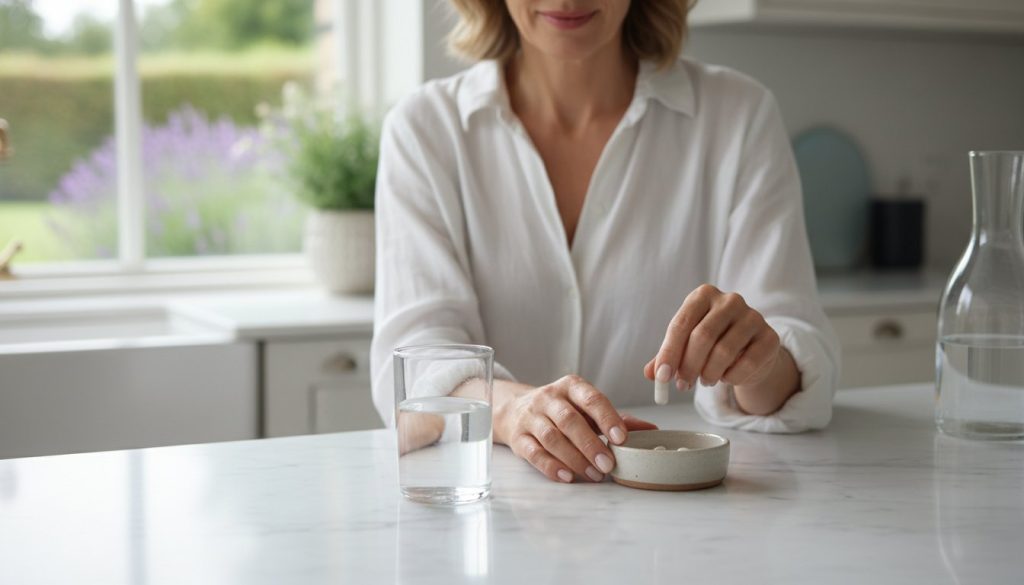
True wellness begins with a soft, internal alignment. We view botanical support not as a clinical intervention but as a curation of nature’s finest offerings to restore the body’s rhythm. Central to this approach are phytoestrogens. These plant-derived compounds possess a molecular structure that gently mimics your natural oestrogen. By binding to receptors with a delicate touch, they provide a sense of equilibrium that helps temper the body’s internal thermostat. This is the foundation of The Art of Harmony, a collection designed for the woman who values intentionality in her daily rituals. It’s about integrating supplements into a broader, soulful wellness routine that respects the body’s changing narrative.
Natural Remedies for Night Sweats
Red Clover and Sage carry a storied provenance in traditional female health. These botanicals aren’t merely ingredients; they’re echoes of ancient wisdom. Red Clover contains isoflavones that help stabilise the fluctuations leading to thermal discomfort. Sage has been documented in various studies for its ability to reduce sweat production by up to 50 per cent in menopausal women. To support the nervous system, we include Magnesium. It acts as a quiet guardian against cortisol spikes, which often trigger the body’s heat response. When you understand how to stop night sweats during menopause, you realise the importance of sourcing. Our artisanal collections prioritise the hand of the maker and the purity of the soil, ensuring every capsule possesses a distinct voice of quality.
- Red Clover: Rich in isoflavones to mimic gentle hormonal peaks.
- Sage: A traditional astringent used to calm the sweat response.
- Magnesium: Essential for nervous system regulation and restful sleep cycles.
Reclaiming Your Narrative
Midlife shouldn’t be defined by a sense of physical betrayal. It’s a period of unfolding. By choosing a well-supported, harmonious body, you move from a state of endurance to one of curation. Curation is a fundamental philosophy for living well; it’s the act of selecting only what serves your peace. Integrating these botanical elements creates a sanctuary within, allowing you to focus on the beauty of your surroundings rather than the discomfort of the night. If you’re seeking how to stop night sweats during menopause, the answer lies in this holistic balance. Every choice contributes to your larger personal story. Explore The Art of Harmony for menopause support to begin your journey toward a more resonant, restful existence.
Reclaiming Your Evening Sanctuary
The path to stillness is paved with intentionality and a reverence for the body’s natural shifts. By refining your sleep environment with tactile, breathable layers and acknowledging the British Menopause Society’s 2022 report stating that 75% of women experience vasomotor symptoms, you start to master how to stop night sweats during menopause. True restoration isn’t found in clinical suppression; it’s found in a soulful, holistic harmony that respects your evolving rhythm. Your bedroom should remain a curated haven, a place where the narrative of your day finds a soft, cool landing.
Wellness is an artisanal process. Our support is crafted with 12 expertly curated botanical ingredients, designed by women for women who seek a more elegant approach to self-care. It’s an invitation to embrace this transition as an unfolding story of grace rather than a series of disruptions. Discover The Art of Harmony – Our Curated Menopause Support and invite a sense of timeless peace back into your home. You’ve earned a rest that’s as deep and storied as the life you lead.
Frequently Asked Questions
How can I stop night sweats during menopause naturally?
You can manage night sweats naturally by curating a sleep environment that prioritises temperature regulation and botanical support. Lower your bedroom temperature to a crisp 18°C and consider sage leaf extract; a 2011 study showed this herb can reduce hot flushes by 50% within four weeks. Understanding how to stop night sweats during menopause requires a holistic look at your evening ritual, shifting from synthetic fabrics to breathable, natural fibres.
Can certain foods or drinks make night sweats worse?
Spicy foods, caffeine, and alcohol are primary triggers that disrupt the body’s delicate thermoregulation. Capsaicin found in chillies and the vasodilation caused by a glass of red wine can spike your internal temperature almost instantly. Data suggests that 50% of women notice an increase in nocturnal heat after consuming alcohol. Limiting caffeine to before 12:00pm helps maintain a calmer nervous system as you transition toward rest.
Is it normal to have night sweats every night during perimenopause?
It’s entirely common to experience nightly disturbances, as roughly 80% of women report vasomotor symptoms during the perimenopausal transition. This phase can last between four and ten years, with hormonal fluctuations causing the hypothalamus to misread body temperature. These episodes aren’t just physical inconveniences; they’re signals from a body in transition. Recognising this as a standard biological narrative can help lower the distress associated with broken sleep.
What are the best pyjamas for menopausal night sweats?
The most effective pyjamas are crafted from high-quality linen, silk, or bamboo, which offer superior moisture-wicking properties compared to cotton. Linen is particularly remarkable, capable of absorbing 20% of its weight in moisture before feeling damp to the touch. This artisanal approach to sleepwear ensures your sanctuary remains dry. Choosing pieces with a loose, flowing silhouette allows for better air circulation around the limbs throughout the night.
How long do menopause night sweats typically last?
Menopausal night sweats persist for an average of seven years, though the duration varies significantly between individuals. Some women find symptoms resolve within 24 months, while 10% may continue to experience them for up to twelve years. It’s a long-term shift that requires intentional changes to your lifestyle and home environment. Investing in timeless, cooling bedding provides a permanent solution for this decade of transition.
Can stress and anxiety trigger more frequent night sweats?
Stress and anxiety act as powerful catalysts for night sweats by triggering the release of cortisol and adrenaline. These hormones heighten your heart rate and body temperature, often leading to a sudden soak. Research indicates that women with higher perceived stress levels are three times more likely to experience frequent flushes. Practising the 4-7-8 breathing technique for five minutes before bed can help settle the nervous system.
Does magnesium help with night sweats and sleep quality?
Magnesium glycinate is a vital mineral that supports both muscle relaxation and the regulation of the body’s internal clock. Taking a 300mg dose approximately 60 minutes before sleep can improve sleep efficiency and reduce the intensity of nocturnal heat. It works by binding to GABA receptors, which calms the brain’s activity. This simple addition to your nightly ritual fosters a deeper sense of stillness and physical ease.
What is the difference between a hot flush and a night sweat?
A hot flush is a sudden wave of heat felt while awake, whereas a night sweat is an intense episode of perspiration that occurs during sleep, often drenching bedding. While both stem from the same hormonal root, night sweats are typically more disruptive to the sleep cycle. Learning how to stop night sweats during menopause often involves managing these nocturnal spikes through layered bedding and breathable textiles that accommodate rapid temperature shifts.