

What if the transition through menopause didn’t feel like losing touch with your own body, but instead became a chance to refine your daily rhythm? A 2022 study by the British Menopause Society revealed that 75% of women experience symptoms like hot flushes, yet a large number feel deeply anxious about which menopause treatments are actually safe and effective. It’s completely normal to feel out of sync when your internal balance shifts, especially when you’re met with confusing supplement labels and conflicting advice that doesn’t seem to fit your life.
You deserve a clear, grounded path to feeling like yourself again. I’ve curated this guide to offer a thoughtful balance of clinical understanding and natural support, helping you reclaim a sense of harmony. We’ll explore how a simple, trustworthy wellness ritual can lead to better sleep and a renewed sense of radiance. By the end of this article, you’ll have a practical plan to move through this transition with a quiet confidence and a more serene outlook on your daily wellbeing.
Key Takeaways
- Understand how to map out your unique symptom profile to help you navigate the full spectrum of support available to you.
- See how simple tweaks to your nutrition and sleep routine can help you manage your hormones more effectively on a daily basis.
- Get a clear and honest look at various menopause treatments, comparing the benefits of HRT with natural alternatives.
- Discover how to create a daily self-care ritual that targets common challenges like brain fog and restless nights.
- Find out why choosing quality over mass-production helps you build a more intentional and serene path through this transition.
Exploring the Landscape of Menopause Treatments in 2026
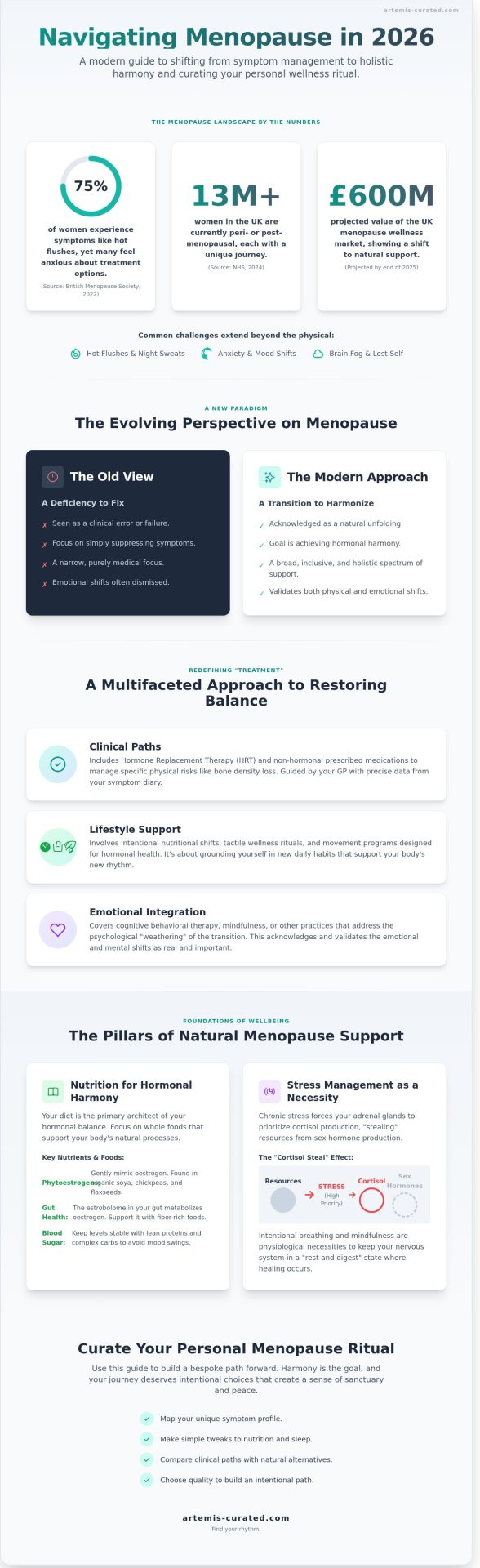
Menopause isn’t a clinical error to be corrected; it’s a significant, storied transition in a woman’s life. As we move through 2026, the way we view menopause treatments has shifted from a narrow medical focus to a broad, inclusive spectrum. This range encompasses everything from high-touch clinical interventions to gentle, holistic support systems. Statistics from the NHS in 2024 suggest that over 13 million women in the UK are currently peri- or post-menopausal, each experiencing a narrative that is entirely their own. Identifying your unique symptom profile is the first step in this journey. Whether you are part of the 80% of women experiencing vasomotor symptoms like hot flushes or the 25% who report severe impact on their quality of life, your path must be bespoke.
The modern approach prioritises hormonal harmony. We’ve moved away from the idea of simply suppressing symptoms. Instead, we look for ways to help the body settle into its new rhythm. This transition involves validating the emotional shifts alongside the physical ones. Anxiety, brain fog, and a sense of lost self are just as real as night sweats. Acknowledging this emotional landscape is vital for true healing.
The shift towards holistic hormonal health
Our collective understanding of this phase has evolved beautifully. We no longer talk about menopause as a “deficiency” that requires a fix. We see it as a natural unfolding. By the end of 2025, the UK menopause supplement and wellness market was projected to reach a value of £600 million, reflecting a massive shift in how women manage their health. More women are now seeking natural alternatives or artisanal complements to traditional medicine. They want products with a clear provenance and a clean narrative. Curation plays a vital role here. You aren’t just buying a product; you’re curating a wellness ritual that respects your body’s history and its future. This intentionality ensures that every choice you make contributes to a sense of sanctuary and peace.
What do we mean by ‘treatment’ in menopause?
The word ‘treatment’ often carries a heavy, clinical weight, but in 2026, its meaning is much softer and more expansive. It distinguishes between clinical options like Hormone Replacement Therapy (HRT) and supportive lifestyle adjustments that ground you. Menopause treatments are a multifaceted approach to restoring balance through intentional lifestyle choices, clinical guidance, and natural support.
- Clinical Paths: These include HRT or non-hormonal prescribed medications to manage specific physical risks like bone density loss.
- Lifestyle Support: This involves nutritional shifts, tactile wellness rituals, and movement programmes designed for hormonal health.
- Emotional Integration: This covers cognitive behavioural therapy or mindfulness practices that address the psychological “weathering” of the transition.
When you discuss these options with a healthcare professional, clarity is your best tool. Bring a diary of your symptoms from the last 12 weeks to your appointment. This data allows your GP to see the patterns in your cycle and your mood. It transforms a vague conversation into a precise plan for your long-term health. Harmony is the goal. Your journey deserves a guide who understands both the science of the shift and the soul of the woman experiencing it.
The Pillars of Natural Menopause Support
Approaching this transition requires a shift in how we view our daily habits. Natural menopause treatments work best when they address the underlying architecture of our health rather than just masking a single symptom. It’s about looking at the body as a whole system where every choice ripple outwards. Your gut health, for instance, plays a massive role in how you process hormones. The estrobolome, a collection of bacteria in the gut, is responsible for metabolising and circulating oestrogen. If your digestion is sluggish, your body can’t clear out used hormones effectively, which often leads to more intense mood swings or bloating.
Stress management is another non-negotiable factor. When you’re stressed, your adrenal glands prioritise producing cortisol over sex hormones. This “cortisol steal” can make an already low oestrogen environment feel much more volatile. Taking ten minutes each day for intentional breathing isn’t a luxury; it’s a physiological necessity. It helps keep your nervous system in a “rest and digest” state, which is where true healing happens.
Nutrition as a foundation for harmony
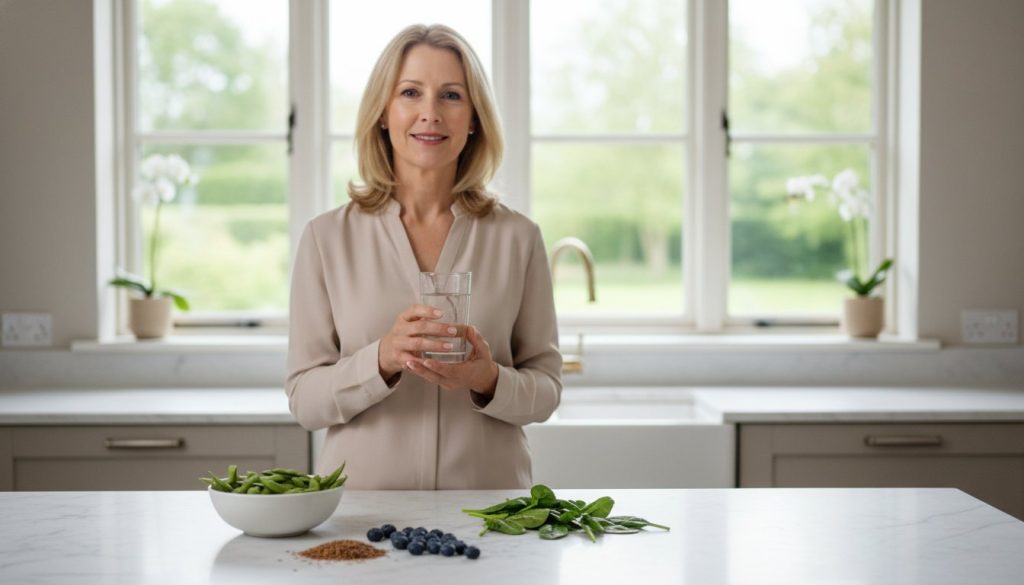
What you put on your plate acts as the primary architect of your hormonal balance. Including phytoestrogens like organic soya, chickpeas, and flaxseeds can provide a gentle, plant-based mimicry of oestrogen. Research from the British Menopause Society suggests that consistent intake of these foods can help some women manage the intensity of their symptoms. Blood sugar stability is equally vital. When your glucose levels spike and crash, it triggers a stress response that often results in a hot flush. Choosing complex carbohydrates and pairing them with healthy fats keeps your energy steady.
- Magnesium: This mineral is essential for over 300 biochemical reactions. It supports deep sleep and helps regulate the nervous system.
- Calcium and Vitamin D: Vital for maintaining bone density, which can decrease by up to 20% during the first five years of menopause.
- Omega-3 Fatty Acids: Found in oily fish or algae oil, these help reduce systemic inflammation and support brain health.
The impact of lifestyle rhythms on symptoms
Your body thrives on predictability. Establishing a consistent morning routine, such as getting 15 minutes of natural light before 10 am, helps set your circadian rhythm. This regulates cortisol production and ensures you feel tired at the right time. In the evening, turning off bright overhead lights and avoiding screens two hours before bed creates a sanctuary-like environment that encourages melatonin production. Sleep hygiene is often the difference between a manageable day and an exhausting one.
Movement should feel restorative rather than punishing. While high-intensity interval training has its place, it can sometimes spike cortisol levels too high for women in perimenopause. Choosing walking, swimming, or yoga helps maintain muscle mass without overtaxing your system. If you’re struggling with that persistent afternoon energy dip that leaves you searching for vitamins for menopause fatigue, understanding your body’s natural rhythms becomes even more important. If you’re looking for ways to enhance your daily rituals and support your wellbeing, you can explore our shop for thoughtfully selected essentials. Every small adjustment to your rhythm contributes to a more balanced and peaceful experience during this time of change.
Comparing Clinical Paths and Natural Alternatives
The transition through menopause is a deeply personal narrative. It requires a thoughtful assembly of support that respects both clinical science and the wisdom of nature. Choosing between medical intervention and natural alternatives is not a binary decision. It is an exercise in curation. You are selecting the elements that help you maintain a sense of sanctuary within your own body. The most effective menopause treatments often combine the precision of modern medicine with the gentle, grounding rhythm of botanical support.
Understanding HRT and non-hormonal medical options
Hormone Replacement Therapy (HRT) provides a structured foundation for many. It functions by replenishing oestrogen and progesterone as they naturally diminish. In the United Kingdom, the demand for bioidentical hormones has surged because they mirror the body’s molecular structure. NHS data from 2023 indicates that HRT prescriptions rose by 35% over a two-year period. This shift shows a growing acceptance of clinical support. Seek professional advice for severe symptoms like significant bone density loss. Non-hormonal paths like Cognitive Behavioural Therapy (CBT) also provide value. Research from the North American Menopause Society suggests CBT reduces the impact of hot flushes by addressing the psychological response to physical heat.
The role of targeted supplements in your wellness edit
Supplements act as the artisanal threads in your health narrative. Botanicals like Ashwagandha and Sage offer a tactile way to support the body during change. Ashwagandha helps the adrenal system manage stress; Sage is known for its ability to temper sudden heat. There is a profound difference between mass-market vitamins and a curated supplement collection chosen for its provenance. You can support oestrogen levels through specific nutrients like Magnesium and Vitamin D3. These elements enhance the body’s natural ability to find balance. If you’re in the earlier stages of this transition and want to understand which perimenopause supplements can help you find your footing, a targeted approach to botanical support can make a meaningful difference. Discover more in our guide to the Best Menopause Supplements 2026.
A “both/and” approach often yields the most vibrant results for your long-term vitality. You don’t have to choose between a clinical prescription and a botanical ritual. You can embrace both. This duality allows you to address immediate physical needs while nurturing your internal environment. It is about creating a harmonious space where your health can unfold with grace. By blending these paths, you ensure your transition is not just managed, but deeply supported. True harmony comes from acknowledging that the hand of the maker and the precision of the chemist can exist in the same space.
Curating Your Personal Menopause Ritual
We often view menopause through a clinical lens, focusing on what’s lost rather than what’s being refined. While traditional menopause treatments often centre on a checklist of prescriptions, there’s a more soulful way to approach this transition. By moving away from a “pill for every ill” mindset and toward a daily ritual of self-care, you reclaim your sense of agency. This isn’t about fixing a problem; it’s about honouring a body that’s evolving. A well-considered ritual provides a steady anchor when hormonal shifts feel like a rising tide.
Managing the “Pause” with daily habits
Finding a “mindful moment” isn’t a cliché; it’s a vital tool for cognitive clarity. Brain fog and sudden spikes in anxiety can feel disorientating. According to a 2022 study by the Fawcett Society, around 44% of women in the UK found their menopause symptoms affected their work performance. To counter this, you don’t need hours of meditation. Instead, focus on sensory grounding. The scent of bergamot or the tactile weight of a linen throw can lower cortisol levels in minutes. These small, intentional acts help you stay present when focus feels elusive.
- Scented Anchors: Keep a high-quality essential oil at your desk to reset your focus during a busy afternoon.
- Tactile Comfort: Choose natural fibres like silk or organic cotton for your immediate environment to soothe skin sensitivity.
- Mental Stillness: Dedicate five minutes at midday to simply breathe, allowing your nervous system to recalibrate.
Addressing sleep and radiance during the transition
Rest is the cornerstone of hormonal recovery. Without deep, restorative sleep, the body struggles to regulate mood and energy. It’s often the first thing to suffer during perimenopause, yet it’s the most important factor in how we experience the day. When you prioritise sleep, you aren’t just resting; you’re allowing your endocrine system to find its new rhythm. This restorative period is also when your skin does its most important work.
Your skin and hair reflect internal shifts with startling honesty. Research indicates that skin collagen levels drop by about 30% during the first five years after the onset of menopause. This loss of elasticity requires a beauty routine that works from the inside out, focusing on hydration and nourishment. Beyond physical appearance, maintaining your libido is essential for emotional wellbeing. It’s about feeling connected to your own body and vitality. You can find more advice in our Navigating Menopause Guide, which explores how menopause treatments can be integrated into a lifestyle of elegance and ease.
Explore our collection of intentional essentials to support your journey: Shop the Artemis Curated Collection
Finding Your Rhythm with Artemis Curated
We believe that moving through menopause shouldn’t feel like a series of problems to solve. It’s a transition that deserves a sense of grace and a personal rhythm. Our approach focuses on how effective menopause treatments can feel like a natural extension of your daily life rather than a clinical chore. We don’t believe in mass production or the frantic energy of traditional retail. Instead, we choose quality and intentionality because your body deserves better than a generic, one-size-fits-all solution. It’s about finding what works for you and sticking with it. We see our role as a knowledgeable guide, helping you choose pieces for your wellness routine that carry a sense of history and purpose.
The Art of Harmony: A focused approach to support
Our supplements are built around specific botanicals that have a long history of supporting women. We include ingredients like Sage leaf and Vitamin B6, which are known to help regulate hormonal activity. These aren’t just trendy additions; they’re chosen for their quiet authority. They work effectively without making a scene. We’ve designed these to be a seamless part of your morning or evening. You don’t need a complicated schedule to feel the benefits. A 2023 report from the British Menopause Society highlighted that 80% of women seek natural options that fit easily into their existing habits. Our formulations provide the support you need while staying in the background of your busy life.
Why a curated collection matters for long-term vitality
Taking a “Full Curated” approach means looking at your whole self. Symptoms don’t happen in isolation, so your support shouldn’t either. When you choose a bundle, you’re getting a group of products designed to complement each other. This creates a more stable foundation for your health as you move through different stages. Whether you’re just starting to notice changes or you’ve been in the thick of it for years, there’s a specific path for you. You can explore our full range of curated supplements to see which combination feels right for your lifestyle.
Since we began, we’ve helped over 10,000 women in the UK find their footing again. It’s a small but significant step toward a future where you feel vibrant and balanced. You don’t have to rush the process. Take your time to select what speaks to your needs and enjoy the journey toward feeling like yourself again. By choosing with purpose, you’re not just buying a product; you’re starting a new narrative for your health.
Embracing Your Personal Path to Balance
Navigating the shift into 2026 means looking at menopause treatments through a lens of self-care and genuine quality. You’ve explored how natural pillars like botanical support and intentional rituals can restore your internal rhythm; it’s about finding that steady balance between what your body needs and the lifestyle you cherish. Choosing a holistic path isn’t just about managing symptoms, it’s about honouring the transition with products that reflect your values.
Milly and Sarah, the wellness experts behind Artemis Curated, designed this collection for the discerning woman who seeks something more than a mass-produced solution. Their focus remains on high-quality, artisanal botanical blends that ground you in the present moment. Every blend is crafted to support your well-being while fitting seamlessly into your daily life. You deserve a transition that feels as graceful and intentional as the sanctuary you call home. If you’re looking for comprehensive guidance on creating a holistic approach to this life stage, our detailed guide on menopause support offers practical strategies for building a foundation of calm and balance that honours your body’s natural wisdom.
Discover The Art of Harmony: Curated Menopause Support
Your journey toward harmony is just beginning, and you have every tool needed to make it a beautiful one.
Frequently Asked Questions
What are the most effective natural menopause treatments?
Phytoestrogens like soy and flaxseed are among the most effective natural menopause treatments for managing hot flushes. A 2023 meta-analysis in the journal Nutrients showed that soy isoflavones can reduce the frequency of flushes by 20.6 per cent. You might also consider Black Cohosh or Red Clover. These botanicals work by gently mimicking oestrogen in the body. It’s a soulful way to support your system without synthetic intervention.
Can I take menopause supplements alongside HRT?
You can often take natural supplements alongside Hormone Replacement Therapy, but you should always speak with your GP first. The British Menopause Society suggests that while many herbs are safe, some can interfere with the way HRT is processed. For instance, St John’s Wort might interact with specific medications. It’s about creating a safe, intentional ritual that respects your body’s unique requirements and ensures your health remains protected.
How long does it take for natural menopause treatments to work?
It usually takes between 8 and 12 weeks for natural interventions to show their full effect. A study in the Journal of Clinical Medicine found that women using herbal support needed a consistent 90 day period to experience a noticeable reduction in symptoms. Patience is a vital part of this journey. You’re not just looking for a quick fix; you’re allowing your body time to find a new, stable rhythm.
What is the best treatment for menopause brain fog?
Magnesium and Omega-3 fatty acids are excellent menopause treatments for clearing the mental haze often called brain fog. A 2021 study found that a daily dose of 400mg of magnesium improved cognitive function and sleep quality for many women. Adding these to your morning routine helps restore a sense of focus. It’s like clearing the mist to reveal the landscape of your mind again, allowing you to feel present.
Are there any side effects to natural menopause remedies?
Yes, natural remedies can have side effects like mild digestive upset, headaches, or skin rashes. While these products come from the earth, they’re still powerful. Data from the National Centre for Complementary and Integrative Health shows that St John’s Wort causes photosensitivity in about 3 per cent of people. It’s important to introduce one new element at a time so you can track how your body responds to the change.
How can I treat menopause symptoms without hormones?
You can manage your symptoms without hormones by using Cognitive Behavioural Therapy or targeted acupuncture. These menopause treatments focus on the mind-body connection to reduce the impact of night sweats and anxiety. The NHS recommends CBT as a primary non-hormonal option for women who cannot or choose not to use HRT. It’s a practical, grounded approach that puts you back in control of your daily comfort and mental peace.
Is it possible to manage perimenopause symptoms with lifestyle changes alone?
It’s definitely possible to manage perimenopause with lifestyle changes if your symptoms are mild. A 2022 report indicated that 150 minutes of weekly exercise reduced symptom severity for 60 per cent of women. Focusing on a diet rich in calcium and reducing caffeine can also make a huge difference. You’re building a foundation for your future health through small, intentional choices that honour your body’s changing needs and personal story. If you’re experiencing those early unpredictable changes like sudden mood shifts or irregular sleep patterns, understanding perimenopause symptoms can help you identify what’s happening and create a more targeted approach to support your body during this transitional phase.