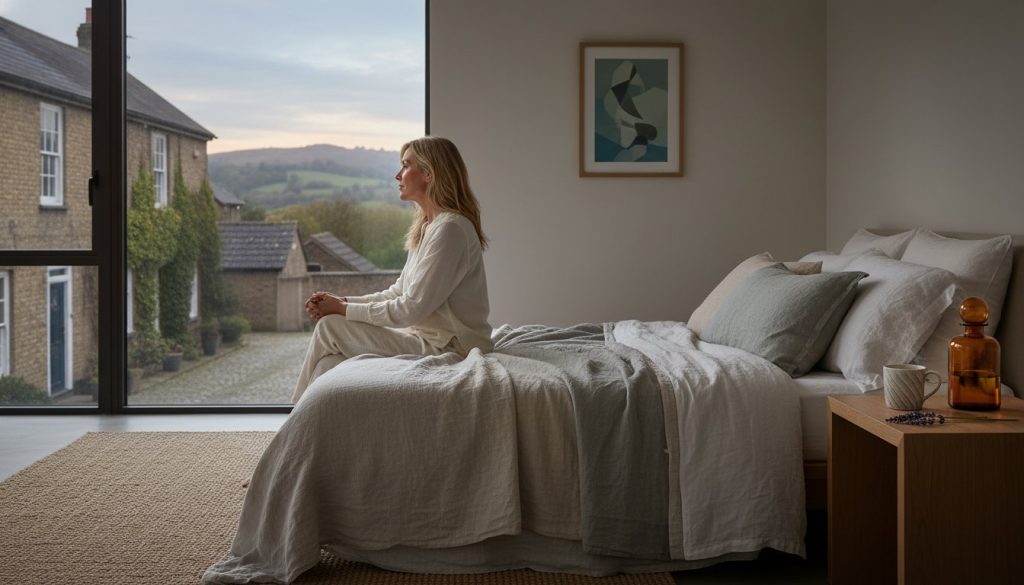


Did you know that 60% of women in the UK now report their sleep is significantly worse than it once was? It’s a frustrating shift that often begins in our 40s, turning the sanctuary of the bedroom into a place of restless heat and racing thoughts. Finding the best natural sleep aid for menopausal women is no longer just a luxury; it’s a vital part of maintaining your mental wellbeing and daily energy. You might feel exhausted but find yourself staring at the ceiling at 3 AM, or perhaps you’ve tried low-quality options that left you feeling heavy and groggy the next morning.
We believe rest shouldn’t be a struggle but a curated ritual of quiet beauty. You deserve to wake up feeling restored rather than weighed down by the previous night’s unrest. A return to harmony. In this guide, we’ll share how to reclaim your nights with a blend of gentle botanicals and elegant evening habits designed for this specific transition. We’ll explore how to master the art of sleep by quieting menopause anxiety and settling into a deep, uninterrupted rhythm that lasts until dawn.
Key Takeaways
- Understand the biological shifts and cortisol spikes that cause those restless 3 AM wake-up calls during the menopausal transition.
- Learn how to identify the best natural sleep aid for menopausal women by looking for high-purity magnesium and amino acids that support your nervous system.
- Discover how to turn your bedroom into a restorative sanctuary by managing your bed’s temperature to prevent night sweats from waking you up.
- Find out how to navigate UK supplement labels to avoid synthetic fillers and ensure you’re choosing products made with real intentionality.
- Explore a curated approach to evening rituals that helps you drift off easily and wake up feeling light and truly refreshed.
Understanding the Menopause Sleep Gap: Why Your Body Refuses to Rest
Sleep used to be a simple, quiet surrender. For many women in the UK, however, reaching midlife feels like the internal clock has been dismantled. You might find yourself searching for the best natural sleep aid for menopausal women because the old rules of rest no longer apply. This isn’t just about being busy or stressed; it’s a profound biological shift. As you begin Understanding Menopause, it becomes clear that the decline in oestrogen and progesterone does more than end your reproductive years. These hormones are the master architects of your sleep-wake cycle. When their levels fluctuate, the very foundation of your rest begins to crumble.
The 3 AM wake-up call is perhaps the most taxing part of this transition. It isn’t a random occurrence. Instead, it’s often caused by a sharp spike in cortisol, your body’s stress hormone. In a younger body, cortisol stays low until dawn. During menopause, your system becomes more reactive. A small dip in blood sugar or a slight change in temperature can trigger a cortisol surge that jolts you into full alertness. You aren’t just “awake”; you’re suddenly, vibrantly wide awake, often with a racing heart and a mind that refuses to settle.
It’s also essential to distinguish between physical heat and hormonal anxiety. While they often arrive together, they are distinct thieves of rest:
- Night Sweats: A failure of thermoregulation where your internal thermostat overreacts, leaving you drenched and chilled.
- Menopausal Insomnia: A state of “tired but wired” where your nervous system cannot find the “off” switch, regardless of how exhausted you feel.
Standard sleep advice often fails because it treats the symptoms rather than the source. Telling a menopausal woman to avoid caffeine or keep the room dark is like suggesting a coat for a storm happening inside the house. To reclaim your nights, you need a curated selection of support that speaks the language of your changing hormones.
The Role of Progesterone as a Natural Sedative
Progesterone is your body’s own built-in calm. It works by interacting with GABA receptors in the brain, which act like the brakes on a speeding car. During perimenopause, progesterone is often the first hormone to drop significantly. This loss leaves your nervous system without its primary tool for quietening the mind before bed. The connection between GABA and sleep for menopausal women is simple: when progesterone falls, the brain’s natural ability to switch off and stay calm effectively vanishes.
Cortisol and the Rhythm of the Night
Hormonal flux makes your body’s stress response far more sensitive to the world around it. A floorboard creak or a sliver of light from a streetlamp now feels like an alarm. This heightened sensitivity is why finding the best natural sleep aid for menopausal women is so vital for 2026. High evening cortisol prevents you from ever reaching the deep, restorative stages of sleep, leaving you feeling heavy and unrefreshed when the morning finally arrives. Your body stays on guard, waiting for a threat that isn’t there, instead of drifting into soulful restoration.
The Most Effective Natural Ingredients for Menopausal Sleep
When searching for the best natural sleep aid for menopausal women, it’s easy to get lost in a sea of generic herbal teas and traditional remedies. While lavender and valerian have their place, the unique demands of the menopausal body often require something more substantial. True restoration comes from replenishing the specific minerals and amino acids that hormonal shifts tend to deplete. This isn’t just about sedation. It’s about giving your nervous system the tools it needs to find its own way back to a state of calm. Experts often suggest that managing sleep problems during menopause requires a multi-layered approach that addresses both the mind and the physical body.
A thoughtful selection of ingredients can bridge the gap between a restless evening and a night of deep, soulful sleep. By focusing on high-purity minerals like magnesium and sophisticated amino acids, you can support your body’s natural chemistry without the grogginess often associated with over-the-counter sleep pills. For those seeking a more integrated solution, the art of sleep offers a curated blend of these essential elements, designed to work in harmony with your body’s changing needs.
Magnesium: The Foundation of Menopausal Rest
Magnesium is frequently called the master mineral for a reason. It plays a vital role in muscle relaxation and nervous system regulation. However, not all forms are equal. Magnesium Glycinate is generally considered the best natural sleep aid for menopausal women because it’s highly bioavailable and gentle on the digestive system, unlike Magnesium Citrate which can sometimes cause upset. During perimenopause, your body uses magnesium more rapidly to cope with the stress of hormonal flux. Taking this mineral about 30 to 60 minutes before bed helps signal to your muscles and brain that the day is done.
Amino Acids and Neurotransmitter Support
L-Theanine and 5-HTP are the quiet heroes of a restful night. L-Theanine, an amino acid often found in green tea, promotes alpha brain waves. These waves are associated with a state of “wakeful relaxation,” helping to quiet the racing thoughts that often strike at bedtime. 5-HTP acts as a precursor to serotonin, which your body then converts into melatonin. Since melatonin is a prescription-only substance in the UK, using natural precursors or botanical sources like Montmorency cherry is a safe and effective way to support your natural sleep-wake cycle. These ingredients don’t just force sleep; they encourage a gentle transition into a deeper, more meaningful rest.
Creating a Sanctuary: Rituals that Complement Natural Sleep Aids
While the best natural sleep aid for menopausal women provides the biological foundation for rest, the environment where you close your eyes is just as important. Think of your bedroom not just as a place to sleep, but as a carefully selected sanctuary. This shift in perspective moves away from a “quick fix” mentality toward a philosophy of living well. When you treat your evening as a ritual, you signal to your nervous system that the day’s demands are over. It’s about intentionality. Every object and habit should serve the purpose of quietening the mind and cooling the body.
Managing the sensory details of your space helps reinforce the work your supplements are doing. A “digital sunset” where you put away phones and tablets at least an hour before bed protects your hormones from blue light disruption. This is vital because blue light can suppress the very melatonin precursors you are trying to support. Soft, amber lighting and familiar scents like sandalwood or clary sage act as anchors, telling your brain it’s time to settle into a deeper rhythm.
Temperature Control and Breathable Textures
Managing the “micro-climate” of your bed is essential for preventing the interruptions caused by night sweats. Natural fibres like linen or silk are far superior to synthetics because they wick moisture away from the skin and allow for better airflow. Research into how menopause affects sleep highlights that even small spikes in body temperature can lead to significant fragmentation of rest. Keeping your room at a consistent 18 degrees Celsius is often cited as the ideal temperature for hormonal balance. If you experience a sudden spike during the night, keep a cooling spray or a glass of iced water nearby to help your system reset without fully waking up.
The Psychological Handover
The transition into sleep shouldn’t be a rushed affair. It’s a slow, deliberate handover from the active mind to the resting body. Many find that journaling or “brain dumping” before bed helps quiet the racing thoughts that often accompany the menopausal transition. By writing down tomorrow’s tasks, you give your mind permission to let go. A warm bath is another effective tool; the drop in body temperature after you leave the water mimics the natural cooling that triggers sleep. This practice, combined with a thoughtful sleep support routine, creates a powerful synergy. By choosing quality over quantity in your evening habits, you reclaim the night as a time of restorative harmony.
How to Choose a Safe and Effective Sleep Supplement in the UK
Finding the best natural sleep aid for menopausal women is an exercise in discernment. In a market often driven by volume, it’s easy to overlook the quiet importance of purity. The source of an ingredient determines how well your body can recognise and use it. High-quality minerals and botanicals, including the mushroom and flower tinctures from Mental Compass, are more than just items on a list; they are the building blocks of your evening’s peace. When ingredients are chosen with intentionality, they offer a level of absorption that mass-produced alternatives simply cannot match. It’s about choosing quality over quantity to ensure your body receives exactly what it needs.
Labels tell a story, if you know how to read them. Many high-street options rely on synthetic fillers and binders to keep costs low. These unnecessary additions can sometimes interfere with how your body processes the active nutrients. A curated blend, however, focuses on synergy. By combining specific elements that support one another, you create a more powerful effect than a single-ingredient pill could ever achieve. This holistic approach respects the complexity of the menopausal transition and the delicate balance of your nervous system.
Safety is the foundation of any wellness ritual. While natural aids are generally gentle, it’s always sensible to speak with a pharmacist or your GP if you’re taking other medications. They can offer professional guidance on potential interactions, ensuring your journey toward rest is entirely secure. For those ready to move away from generic solutions, you can explore our full curated collection of hormone and sleep support to find a more refined approach to your wellbeing.
Identifying High-Purity Ingredients
Look for transparency on the label. In the UK, reputable brands will be clear about their sourcing and the specific forms of minerals used. ‘Food state’ ingredients are often preferred because they are closer to the structures found in real food, making them easier for your system to accept. This focus on the craftsmanship of wellness ensures that what you’re putting into your body has been selected with a profound respect for the natural world. It’s a rejection of the mass-produced in favour of the deeply meaningful.
Managing Interactions with Other Supplements
Maximum harmony is achieved when you layer your support throughout the day. If you’re already using vitamins for bone health or skin radiance, check for overlapping ingredients like magnesium or B vitamins. Taking your supplements at different times can prevent your system from feeling overwhelmed and helps maintain a steady state of support. This isn’t a one-size-fits-all journey. By avoiding generic, multi-pack tablets, you can tailor your intake to your specific needs, creating a personal narrative of health that feels both sophisticated and effective. Using the best natural sleep aid for menopausal women as part of a wider, thoughtful routine allows for a truly restorative experience.
The Art of Sleep: A Curated Solution for Menopausal Rest
We believe that rest is much more than a physiological necessity. It is a foundational act of self-care. For many, the search for the best natural sleep aid for menopausal women ends when they move away from the frantic energy of high-street solutions and toward a more intentional approach. Our formula, The Art of Sleep, was developed as a soulful response to the specific disruptions of the menopausal transition. It doesn’t aim to simply knock you out. Instead, it works to quiet the nervous system and encourage a deep, meaningful surrender to the night.
The collection relies on a thoughtful trio of high-purity ingredients: Magnesium, L-Theanine, and Montmorency Cherry. As we’ve explored, magnesium helps relax the physical body, while L-Theanine encourages the brain waves associated with calm. Montmorency Cherry provides a natural source of the elements your body needs to regulate its own sleep cycle. Together, they address the unique requirement for calm that the menopausal body demands. This is wellness rooted in a soulful appreciation for the self, where every ingredient has a purpose and a history.
Why Artemis Curated is Different
Choosing a supplement is a personal decision that contributes to your larger story of health. Artemis Curated is a UK-founded brand, which means we possess a deep understanding of the national health landscape and the specific standards of purity required here. We reject the mass-produced, one-size-fits-all mentality that defines so much of the wellness industry. Instead, we focus on the narrative of the ingredients and the hand of the maker. You can explore our full curated collection to see how we balance scientific efficacy with a reverent approach to well-being.
Your Journey to Restored Vitality
True change rarely happens overnight. When you begin using a high-quality, natural sleep support, you should allow your body about 30 days to fully adjust and find its new rhythm. During this first month, you’ll likely notice that the “tired but wired” feeling begins to lift, replaced by a sense of gentle ease as bedtime approaches. For those looking for a truly holistic approach, combining The Art of Sleep with The Art of Harmony provides comprehensive support for both your nights and your days. This synergy helps manage the best natural sleep aid for menopausal women alongside daily hormonal balance. We encourage you to view your sleep not as a chore to be managed, but as a meaningful ritual that restores your vitality and prepares you for the beauty of the day ahead.
Reclaiming Your Nights with Intention
Restoring your sleep cycle is a journey toward reclaiming your inner harmony. We’ve explored how the biological shifts of menopause, from cortisol spikes to the drop in natural sedatives like progesterone, require a more sophisticated approach than standard advice suggests. By combining high-purity minerals with a physical sanctuary of breathable textures and quiet rituals, you can finally quiet those 3 AM wake-up calls. Finding the best natural sleep aid for menopausal women is about choosing quality over mass-produced volume.
At Artemis Curated, we’re a UK-based brand founded by women for women. We believe in the power of expertly curated ingredient blends that respect your body’s unique story. With national shipping and dedicated support, we’re here to help you transition from restless nights to soulful vitality. It’s time to stop viewing sleep as a struggle and start seeing it as a meaningful act of self-care. Discover The Art of Sleep: Our curated formula for deep, restorative rest. You deserve to wake up feeling light, refreshed, and ready for the beauty of the day ahead.
Frequently Asked Questions
What is the best natural sleep aid for menopausal night sweats?
Magnesium glycinate is widely regarded as a superior choice because it supports the nervous system’s role in temperature regulation. When you combine this mineral with botanicals like Montmorency cherry, you address the internal triggers of restlessness. It’s also helpful to manage your external environment by using breathable silk or linen bedding to wick away moisture during the night.
Can I take natural sleep aids alongside HRT?
Most natural sleep supplements are safe to use with Hormone Replacement Therapy, but it’s essential to consult your GP or a pharmacist before starting. While HRT works on systemic hormone levels, natural aids like L-Theanine or magnesium provide targeted support for the nervous system. This layered approach can help create a more comprehensive sense of calm without interfering with your prescribed treatment.
How long does it take for natural sleep supplements to start working?
You should allow at least 30 days of consistent use to feel the full restorative effects of a natural supplement. While some women notice a gentler transition to sleep within the first few nights, your body needs time to replenish mineral levels and stabilise its internal clock. Consistency is what turns a simple habit into a transformative evening ritual.
Is magnesium or melatonin better for menopause-related insomnia?
Magnesium is often the more practical choice in the UK because it is a natural mineral that supports muscle relaxation and quietens a racing mind. Melatonin is classified as a prescription-only medicine by the MHRA, meaning it isn’t available over the counter. Natural alternatives like the best natural sleep aid for menopausal women focus on encouraging your body’s own production of sleep hormones instead.
Are there any side effects to natural menopause sleep remedies?
High-quality natural remedies are generally very gentle, though some forms of minerals can affect people differently. For instance, magnesium citrate can sometimes cause digestive upset, which is why we focus on magnesium glycinate for its superior absorption and gentleness on the stomach. Always follow the recommended dosage to ensure your journey to rest remains comfortable and steady.
What is the best time of evening to take a sleep supplement?
Taking your supplement roughly 30 to 60 minutes before bed is the ideal window for absorption. This timing allows the ingredients to settle into your system just as you begin your digital sunset and prepare for rest. It creates a seamless transition from the business of the day into a state of quiet, ready surrender to sleep.
Can natural sleep aids help with menopause-related anxiety?
Yes, specific amino acids like L-Theanine are excellent for promoting alpha brain waves, which encourage a state of “calm alertness.” This helps to lower the evening cortisol spikes that cause the “tired but wired” feeling many women experience. By supporting your neurotransmitters, the best natural sleep aid for menopausal women can effectively quiet the racing thoughts that often prevent a peaceful night.
Why do I keep waking up at 3 AM during perimenopause?
This common disruption is usually caused by a sudden spike in cortisol, often triggered by a slight dip in blood sugar or a change in body temperature. As your oestrogen levels fluctuate, your body’s stress response becomes far more sensitive to these internal shifts. Providing your system with the right minerals helps to dampen this response, allowing you to sleep through these minor biological alarms.